
Broadleaf forget-me-not
Myosotis latifolia
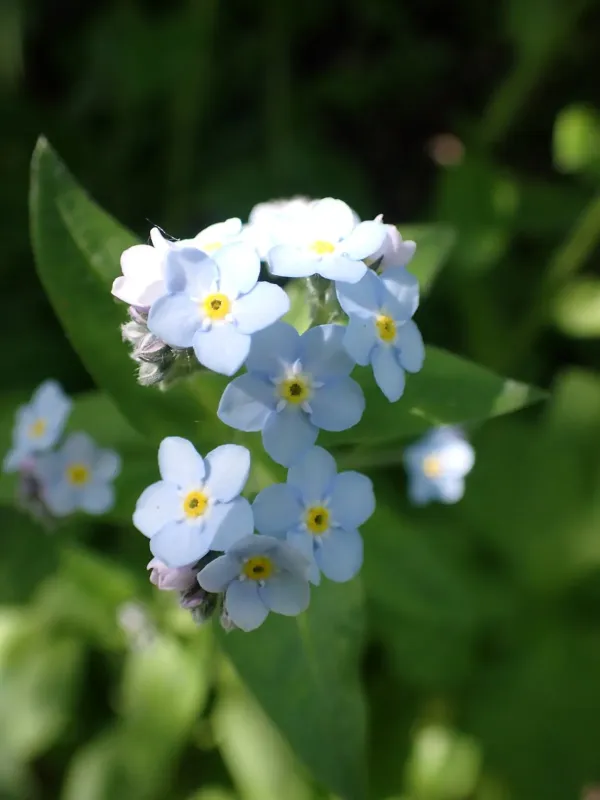
Description
Sowing dates
Sowing of Myosotis latifolia is typically scheduled for spring or late summer. The seeds are known for their reliable germination rates provided the temperature is kept within the optimal range for the species.
For early growth, starting seeds indoors in trays is a common practice. Seeds should be sown on the surface and lightly covered with soil to ensure proper light absorption, which is critical for seedling development.
Direct sowing into the field or garden should only occur once the risk of frost has passed. Soil temperatures must be sufficient to support seed metabolism and ensure healthy root establishment in the initial phases.
Spacing is a vital component of the sowing plan. A distance of 20 to 30 centimeters between individual plants is recommended to promote adequate air circulation and prevent the competition for essential soil nutrients.
Consistent moisture levels must be maintained during the germination period. Using a fine mist for irrigation helps keep the soil surface hydrated without displacing the seeds or causing them to rot prematurely.
Growing requirements
Broadleaf forget-me-not belongs to the Boraginaceae family and thrives in conditions that balance moisture with drainage. The crop performs best in well-lit locations, though it exhibits good tolerance for partial shade.
The soil type should be fertile, loose, and rich in organic matter. On heavy clay soils, incorporating sand or peat is necessary to prevent waterlogging, as the species is sensitive to root asphyxiation in saturated media.
Water requirements remain steady throughout the growth cycle. While the plant appreciates moisture, the soil structure must allow for excess water to drain away freely to maintain plant health and vitality.
The ideal pH range for this crop is slightly acidic to neutral. Regular soil testing before planting helps determine the necessary amendments to create an environment where the plant can access nutrients effectively.
Regular maintenance involves weeding and light cultivation of the soil crust. This helps facilitate better oxygen exchange for the root system and reduces the pressure from aggressive weed species in the area.
Main diseases and pests
Fungal pathogens such as powdery mildew are the most significant threats to the crop, especially when weather conditions include prolonged periods of humidity. Proper ventilation is the best defense against these outbreaks.
Pests like aphids and spider mites can infest the foliage, particularly during dry spells. These insects cause significant stress to the plants, often leading to stunted growth or complete plant decline if left untreated.
Slugs and snails can also become a nuisance, consuming tender leaves and stems. Management strategies often involve keeping the surrounding soil clear of debris to reduce hiding spots for these common garden pests.
Integrated pest management suggests monitoring the crop frequently. Early detection allows for the application of targeted interventions, minimizing the need for broad-spectrum chemical pesticides throughout the season.
Hygiene is crucial in preventing recurring infections. Removing any diseased plant matter from the field or garden immediately helps curb the spread of spores and protects the remaining healthy population.