
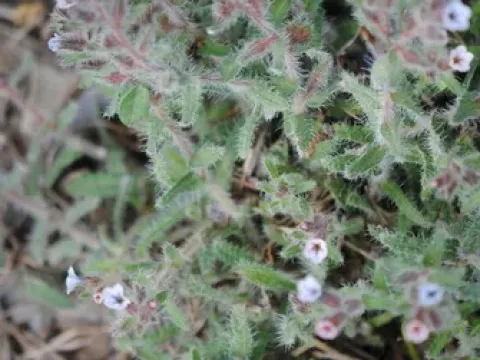
Alkanna sieberi
Alkanna sieberi
Sowing of Alkanna sieberi is primarily carried out in the spring, once the soil has warmed to a temperature of 10-12 degrees Celsius. The seeds possess a relatively low germination energy, which necessitates prior stratification or soaking in growth stimulants to improve field emergence rates.
What the section contains
Alkanna sieberi
The sowing depth should not exceed 1-2 centimeters, as the small seed material is sensitive to soil density and compaction. The best results are achieved when sowing in rows with spacing of up to 45 centimeters, which facilitates subsequent maintenance and weed control during the seedling stage.
The optimal sowing window in temperate regions is generally late March or early April, depending on the establishment of stable warm weather. It is critical to avoid waterlogging the soil during sowing, as the seeds are prone to rotting in cold, stagnant conditions.
Winter sowing allows seeds to undergo natural stratification in the field, which often leads to more uniform germination in early spring. However, this method requires rigorous weed control during the early stages of plant development.
Planting density is calculated based on the intended use; for high-quality medicinal material, the spacing must allow sufficient nutritional area for the development of a robust and healthy root system.
Alkanna sieberi belongs to the Boraginaceae family, known for its high drought tolerance and adaptation to poor, rocky soils. The crop prefers well-drained calcareous soils with a neutral or slightly alkaline pH level.
The plant is heliophilic, requiring open, well-sunlit areas to thrive. Excessive shading negatively impacts the synthesis of biologically active compounds within the roots, making the selection of a planting site a primary factor in overall crop quality.
Water requirements are moderate; the crop is extremely sensitive to excessive moisture and high groundwater levels. During the active growth phase, stable irrigation is beneficial, but moisture needs drop significantly during the maturation period.
Soil aeration is critical for successful cultivation. Compacted heavy loams require the incorporation of soil conditioners like sand or fine gravel to create conditions similar to the plant's natural habitats.
The temperature regime should remain consistently moderate or warm, as sudden drops or late spring frosts can significantly reduce vegetative mass and delay the development of the rhizome structure.
The yield of Alkanna sieberi is primarily measured by the mass and quality of the rhizomes, which contain the valuable red pigment known as alkannin. Productivity is highly dependent on the plant's age, as the roots accumulate active substances progressively over several years.
Under industrial conditions, the dry root yield can vary from 0.5 to 1.5 metric tons per hectare, depending on the intensity of agricultural management and soil fertility. Peak yields are generally achieved by the third or fourth year of plant life.
Key factors affecting yield include timely weed control, as weeds can severely suppress the crop during its first year of growth. Eliminating competition for light and nutrients allows the plant to form a significantly more massive root system.
Harvest quality is determined by pigment concentration, which is directly correlated with environmental conditions. Sunny regions with distinct diurnal temperature variations facilitate a higher accumulation of secondary metabolites.
Harvesting is a labor-intensive process requiring mechanization to extract roots carefully without damaging their physical structure, which is crucial for maintaining the chemical integrity of the raw material.
Alkanna sieberi possesses a unique chemical composition, which renders it relatively resistant to many common agricultural pests. However, the plant can be susceptible to various root rot pathogens if drainage management is neglected.
Wireworms are among the most dangerous pests, as they damage the root system, reducing the commercial quality of the raw material and creating entry points for secondary infections. Soil pest control must be integrated into the site preparation process before sowing.
Outbreaks of fungal diseases, such as powdery mildew or gray mold, can occur under high-humidity conditions. Prevention relies on maintaining spatial isolation and ensuring adequate airflow between individual plants.
Phytophagous insects, such as cutworm caterpillars, may cause leaf damage, significantly impacting the photosynthetic capacity and, consequently, the rate of accumulation of metabolites in the roots.
The use of biological control agents is recommended to protect crops, as the application of aggressive synthetic chemicals could adversely affect the subsequent pharmaceutical application of the harvested material.
Harvesting of Alkanna sieberi is conducted primarily in the autumn, once the aerial parts of the plant begin to senesce. This is the stage when the concentration of coloring substances within the root system reaches its physiological maximum.
Root extraction is typically performed using specialized undercutting blades or potato harvesters, adjusted to a depth of 30-40 centimeters. It is essential to work in soils with moderate moisture levels to minimize the loss of fine root hairs.
Post-harvest, the roots must be thoroughly cleaned of soil, washed, and dried in well-ventilated facilities or dehydrators at temperatures not exceeding 40-45 degrees Celsius. Excessive heat can degrade the valuable alkannin.
Dry raw material should be stored in paper bags or wooden crates in a cool, dark, and dry environment. Light exposure contributes to pigment degradation, making protection from ultraviolet radiation a mandatory condition for efficient logistics and storage.
Post-harvest processing involves sorting the material based on root size and purity. High-quality raw material must be uniform, brittle in texture, and free from any signs of mold or rot.