
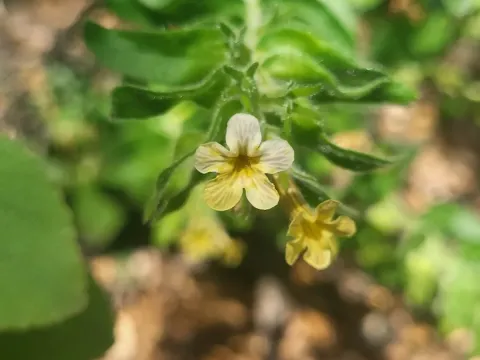
Alkanna graeca
Alkanna graeca
The sowing of Alkanna graeca is typically performed in early spring as soon as the soil warms up to 8–10 degrees Celsius. In regions with mild climates, autumn sowing is also practiced, allowing seeds to undergo natural stratification over the winter.
What the section contains
Alkanna graeca
Seeds should be planted at a depth of 1–2 centimeters to ensure proper moisture contact while preventing the seeds from being buried too deep, which would hinder emergence. Using high-quality seed material is essential for establishing a uniform crop.
Row spacing is generally maintained at 30–45 centimeters to provide adequate room for root development and to facilitate mechanical weed control between rows. Proper spacing is a key factor for successful long-term cultivation.
Since the plant is light-loving, the selected plots must be sunny and clear of tall weeds that could overshadow the seedlings during their initial development stages. Rapid growth during the first weeks depends largely on good light exposure.
Thinning the seedlings may be necessary if the initial stand density is too high, ensuring each plant has sufficient space to develop a strong, healthy root system for future harvest.
Alkanna graeca belongs to the Boraginaceae family and is known for its remarkable drought tolerance, making it ideal for cultivation in drier environments. It performs best on well-drained, sandy, or rocky soils where moisture stagnation is avoided.
Intense sunlight is the most critical environmental requirement for this species, as it directly influences the biosynthesis of pigments within the roots. Excessive shade or high humidity can negatively affect plant quality and health.
Neutral to slightly alkaline soil pH is optimal for healthy growth. The application of potassium fertilizers is highly recommended to improve the plant's stress resistance and structural integrity during the growing season.
While the plant is hardy, providing supplemental irrigation during dry spells in the first year of growth will significantly improve the overall biomass accumulation of the root system.
Farmers should avoid low-lying areas where water or cold air can settle, as these conditions significantly increase the susceptibility of the plants to root rot and other physiological disorders.
The productivity of Alkanna graeca is primarily focused on its root system, which serves as a source for natural dyes and pharmaceutical raw materials. Maximum pigment concentration is typically reached during the second or third year of growth.
In industrial farming, the average yield ranges from 1.5 to 3 tons of raw roots per hectare, depending on planting density and site-specific management practices. Proper timing of the harvest is crucial to achieving these yields.
The economic value is defined not only by the weight of the root crop but also by the quality of the raw material, which is strictly dependent on the amount of sunshine received during the vegetation period.
Regular plantation monitoring helps in planning crop rotation and ensuring the long-term soil health required for continuous production. Over-exploitation of the soil should be prevented through proper nutrient management.
Successful harvests are the result of well-maintained crop density and diligent weed management, which ensure that the energy of the plant is directed primarily toward the growth of the taproots.
The primary threats to Alkanna graeca are fungal diseases, particularly root rots triggered by waterlogged conditions and poor soil drainage. Prevention focuses on maintaining proper field hydrology.
Insect pests, including aphids and various beetles, may attack the above-ground foliage during the peak growing season, potentially reducing the photosynthetic capacity of the plants. Regular field scouting is advised.
Weeds are the most significant competition during the first year of cultivation. Mechanical weeding and mulching are the preferred methods for controlling weeds in organic production systems.
Applying chemical pesticides should be minimized as the plant is frequently used in high-value cosmetic and medicinal markets, where product purity is of utmost importance.
Crop rotation and maintaining a balanced stand density are essential to reduce the risk of disease spread within the plantation and ensure a healthy crop cycle.
The harvest of Alkanna graeca is conducted in dry weather during the autumn of the second year, when the pigment concentration in the roots is at its peak. Dry conditions are essential to preserve the quality of the extracted raw material.
Mechanical harvesting using specialized digging equipment is standard, ensuring that the roots are removed with minimal damage. Any breakage during extraction can lead to a faster decline in raw material quality.
After excavation, the roots must be cleaned, washed, and dried in shaded, well-ventilated areas or in specialized drying units at low temperatures to prevent the degradation of active compounds.
Correct drying techniques are vital, as overheating or high humidity during the process can lead to molding and the loss of the plant's characteristic deep red color.
Stored raw material should be kept in dark, dry, and cool conditions to ensure long-term stability and to maintain the chemical integrity of the roots until they are processed.