
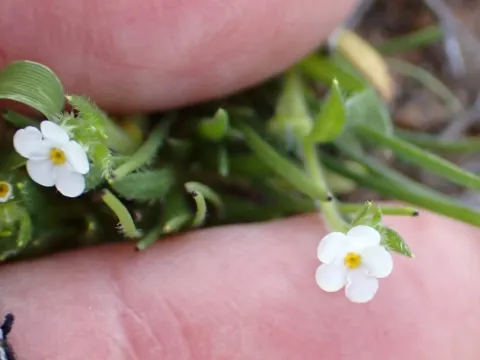
Allocarya
Allocarya
The sowing of Allocarya requires careful consideration of seed dormancy, as many species within this genus benefit from pre-sowing stratification to ensure uniform germination across the field.
What the section contains

Allocarya
Optimal planting time is early spring when soil temperatures stabilize, usually around 10 degrees Celsius, allowing the young seedlings to establish a strong root system before the onset of summer heat.
Seeds should be planted at a shallow depth, typically no more than 1.5 centimeters, as deep burial often leads to poor emergence and seedling exhaustion before breaking the soil surface.
Maintaining proper row spacing is vital for the crop to minimize intraspecific competition for nutrients and water, which is a common issue with densely sown patches of Allocarya.
Mechanical seeding equipment should be calibrated to handle small-seeded legumes and grasses, ensuring an even distribution and minimizing wastage during the planting process.
Allocarya is a member of the Boraginaceae family, native to regions of North America, and typically exhibits an annual growth habit suited to open, undisturbed landscapes.
The species thrives in well-drained, porous soils. While it can adapt to various soil textures, it shows a clear preference for sandy loams that provide adequate aeration to the delicate root structures.
Full sun exposure is a primary requirement for the healthy development of this crop. Insufficient light leads to etiolation, weakened stems, and significantly reduced seed yield at harvest time.
Water requirements vary by life stage, with a steady supply needed during early vegetative growth; however, once established, the plant shows moderate drought resistance common to its wild ancestors.
In terms of soil nutrition, the plant is relatively undemanding but benefits from a balanced level of potassium and phosphorus to support flowering and subsequent seed maturation.
Fungal pathogens represent the most significant threat to the crop, particularly when moisture levels remain high for extended periods, leading to stem rot and damping-off issues in young seedlings.
Insect pests, such as aphids and small lepidopteran larvae, can cause economic damage by feeding on foliage and floral parts, thereby reducing the photosynthetic capacity and reproductive potential.
Weed management is critical, as Allocarya is not highly competitive against aggressive weeds. Mechanical weeding or careful chemical intervention early in the season is often required to save the crop stand.
Root-knot nematodes can become a problem in fields where the crop is grown repeatedly, necessitating a strict multi-year rotation plan with non-host species to break the pest cycle.
Monitoring for signs of chlorosis or leaf spot is essential, as these symptoms often indicate underlying nutrient deficiencies or early-stage infection by pathogenic bacteria.
Harvesting of Allocarya is a delicate process, as the seeds often shatter easily upon reaching full maturity, making timing the most critical factor for success.
The harvest should ideally take place during dry, cool weather to prevent moisture buildup in the collected seed mass, which could lead to spoilage during storage.
Modern harvesting techniques involve direct combining once the seed pods begin to dry but before they naturally dehisce and release their contents to the ground.
Post-harvest cleaning of the seeds is necessary to remove organic debris, dust, and immature seeds, which ensures a high-quality product for further agricultural use or sowing.
After threshing, the moisture content of the seeds must be reduced to below 12 percent for safe long-term storage in controlled, ventilated warehouse conditions.