
Alkanna corcyrensis
Alkanna corcyrensis
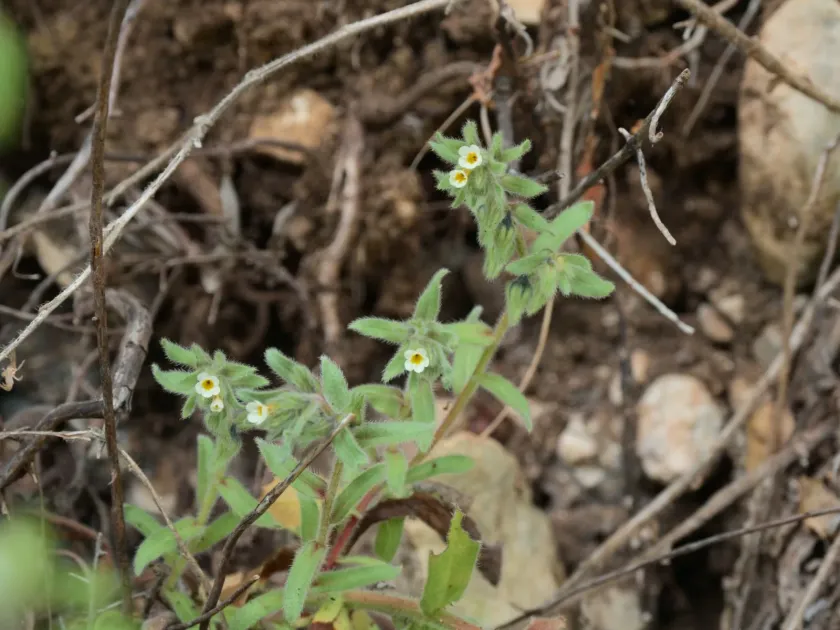
Description
Growing requirements
Alkanna corcyrensis is a perennial herbaceous plant belonging to the Boraginaceae family. Originally found in the Mediterranean region, particularly on the island of Corfu, it is a hardy species adapted to rocky, arid environments with high solar exposure.
The plant thrives in well-drained, sandy or gravelly soils with a neutral to slightly alkaline pH. Proper soil aeration is critical, as the roots are highly susceptible to rot if exposed to waterlogging for extended periods during the growing season.
Botanically, it is characterized by its grayish, hairy foliage which helps minimize transpiration. The plant possesses a robust taproot system, which serves as a storage organ for its valuable pigments, primarily alkannin, used in the dye industry.
Regarding climatic needs, Alkanna corcyrensis prefers warm, temperate conditions. While it is drought-tolerant, it requires consistent sunlight to reach its full vegetative potential. In regions with harsh winters, protection is necessary to prevent cold-induced damage to the crown.
Agricultural techniques involve careful site selection to avoid low-lying areas where water might accumulate. The spacing between plants should be sufficient to allow for adequate airflow, which is vital for preventing the development of fungal pathogens.
Main diseases and pests
Fungal diseases, specifically those affecting the roots and crown, are the most significant threat to the health of Alkanna corcyrensis. These are typically triggered by excessive irrigation or poor drainage in the cultivation field.
Powdery mildew can become a problem in humid and stagnant conditions. This disease manifests as a white, dusty layer on the leaves, severely impairing the plant's growth and reducing the quality of the root harvest.
Pests such as wireworms can cause significant damage by feeding on the taproots, which are the primary economic component of the plant. Field sanitation and crop rotation are essential practices to reduce the presence of soil-borne pests.
Slugs and snails may attack young seedlings, causing severe defoliation during the early stages of growth. Implementing physical barriers or organic pest control methods can mitigate the damage caused by these mollusks.
Integrated pest management strategies are recommended, focusing on maintaining soil health and using bio-pesticides. By monitoring the crop closely during peak growth phases, growers can manage potential threats before they escalate into significant losses.