
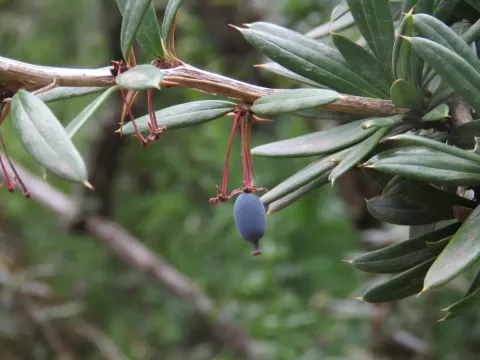
Linear-leaved barberry
Berberis linearifolia
Linear-leaved barberry (Berberis linearifolia) is a distinctive evergreen shrub belonging to the Berberidaceae family. Originating from the mountainous regions of Chile and Argentina, this plant is valued for its unique foliage and ornamental potential.
What the section contains
Linear-leaved barberry
Botanically, it is characterized by its narrow, lance-shaped leaves that maintain a deep green color throughout the seasons. The shrub produces vibrant orange-yellow flowers in the spring, which create a striking contrast against the foliage, making it a popular choice for landscape design.
The plant thrives in temperate climates, requiring well-drained soils with a slightly acidic to neutral pH. It is crucial to ensure that the planting site has excellent aeration, as the root system is susceptible to decay if exposed to persistent waterlogging.
Regarding climate, the species prefers locations with moderate humidity and protection from extreme temperature fluctuations. While it can withstand some cold, young plants require protective mulching to survive harsh winters in regions outside their native habitat.
Agricultural practices involve regular pruning to maintain the shape of the shrub and improve air circulation through the canopy. This practice is essential to prevent the accumulation of moisture and to encourage the growth of healthy, vigorous new shoots.
Powdery mildew is the most common fungal issue for Berberis linearifolia. It typically occurs in environments with high humidity and poor ventilation, leading to white mycelium growth on the leaves, which can be mitigated with appropriate fungicides.
Rust diseases represent a major concern, as barberries can serve as alternative hosts for rust fungi. Gardeners must ensure a significant distance from cereal crops to prevent the cross-infection cycle that is common in many agricultural zones.
Pests such as aphids and sawflies are known to infest the plant during the growing season. Early detection and the application of insecticidal soaps or systemic pesticides are recommended to preserve the integrity of the foliage and prevent stunted growth.
Bacterial blight can also affect the stems, leading to dieback. Effective management requires the sterilization of pruning tools between uses to prevent the spread of bacteria through the shrub's vascular system during maintenance sessions.
Vigilance against root rot is necessary, especially during the wetter months. Ensuring the soil structure remains loose and well-draining, combined with a balanced irrigation schedule, significantly lowers the risk of pathogen colonization in the root zone.