
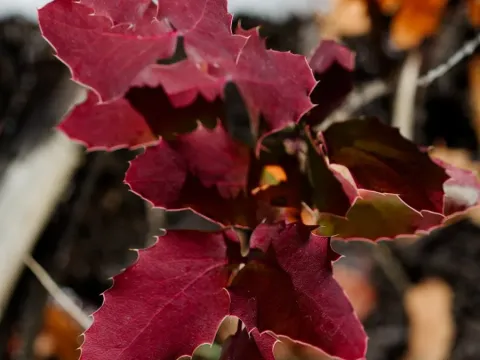
Low barberry
Berberis pumila
Low barberry (Berberis pumila) is a species within the Berberidaceae family, renowned for its compact habit and resilience. Originating from North America, this shrub is naturally adapted to rugged environments, making it a reliable choice for various landscaping projects where low-maintenance perennials are required.
What the section contains
Low barberry
The plant thrives in well-drained soil ranging from sandy to loamy textures. It is essential to ensure that the site does not experience waterlogging, as the root system of Berberis pumila is susceptible to rot if left in saturated soil for extended periods. A sunny position is preferred for optimal growth and foliage coloration.
Botanically, this shrub features distinct spines that protect it from browsers, and small, leathery leaves that minimize water loss. Its root system is fibrous and aggressive enough to bind soil, making the plant an effective tool for erosion control on slopes and uneven terrain in rocky gardens.
Climate requirements for the low barberry include an ability to withstand temperature fluctuations typical of temperate zones. While it is hardy in winter, providing a layer of organic mulch can help maintain stable soil temperatures and moisture levels throughout the summer, promoting healthy growth cycles.
In terms of agricultural and horticultural use, this species is primarily utilized for ornamental purposes. It is a staple in rock gardens, low hedges, and ground cover applications. Its slow growth rate means that minimal pruning is needed to maintain its structure over many years.
Common threats to Berberis pumila include powdery mildew and rust diseases, which typically emerge in environments with high humidity or poor air circulation. These infections can disfigure the foliage and significantly reduce the plant's aesthetic appeal if not addressed promptly.
Pest pressures are usually dominated by aphids, specifically the barberry aphid, which colonizes new growth. These insects suck the sap, leading to stunted shoot development and the potential spread of viral diseases among the shrub foliage.
Effective management involves maintaining adequate spacing between shrubs to prevent the humidity buildup that encourages fungi. Regular monitoring during the growing season allows for early detection of pest colonies before they reach damaging levels.
When chemical intervention is necessary, systemic fungicides and insecticides are generally effective. It is critical to apply these treatments according to the manufacturer's instructions and to avoid spraying during the heat of the day to protect the plant from leaf burn.
- Use of dormant oils to manage overwintering aphid eggs
- Application of copper-based fungicides as a preventative measure
- Regular pruning of dead or diseased branches to improve airflow
- Avoidance of overhead watering to keep foliage dry