
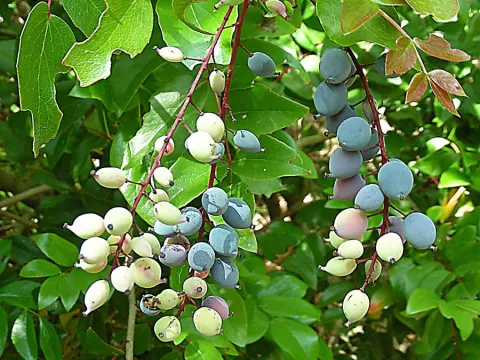
Graceful barberry
Berberis gracilis
Graceful barberry (Berberis gracilis) is a perennial shrub species within the Berberidaceae family. It is distinguished by its elegant growth habit and the presence of sharp spines along its stems, which is a characteristic feature of the genus Berberis.
What the section contains
Graceful barberry
The species originates from the mountainous regions of Mexico, central America. Due to its natural habitat, it is adapted to specific temperate-to-subtropical mountain climates, requiring frost protection if cultivated in regions with harsh, freezing winters.
Light requirements for this species are relatively high; it thrives in full sun exposure. While it may tolerate partial shade, insufficient light often results in a leggy growth structure and a reduced capacity for dense foliage production and bloom intensity.
The plant performs best in well-drained, fertile soil types, such as loams or sandy loams. Adequate drainage is essential, as the root system is susceptible to decay if exposed to persistent moisture or waterlogging, which often occurs in heavy clay soils.
Cultivation practices include regular pruning to shape the shrub and promote healthy growth. Additionally, applying balanced organic or mineral fertilizers during the spring growth flush is recommended to ensure robust development and long-term health of the specimen.
Common pests affecting Berberis gracilis include aphids and scale insects, which target the tender leaves and young branches. Integrated pest management strategies, including the use of horticultural oils or systemic insecticides, are effective in controlling these infestations.
Fungal diseases, including powdery mildew and rust, represent a significant threat under high humidity conditions. Maintaining proper spacing between plants and avoiding overhead irrigation can significantly mitigate the risk of disease outbreak and maintain foliage health.