
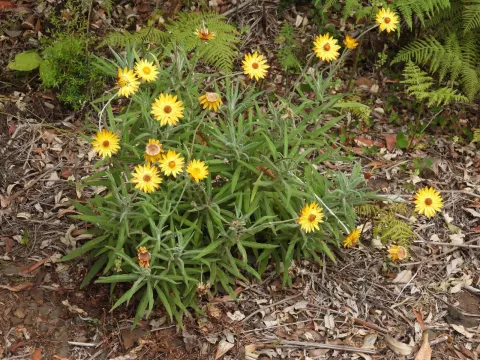
Xerochrysum
Xerochrysum
Xerochrysum, commonly known as the strawflower or everlasting daisy, belongs to the Asteraceae family. While native to Australia, it is commercially grown as an annual crop in many other regions for the dried flower industry.
What the section contains


Xerochrysum
For early spring production, seeds should be started indoors in trays. The germination process is most effective at temperatures between 18 and 22 degrees Celsius, using a light, well-draining seed-starting mix.
Seedlings are transferred to the field once the threat of frost has passed completely. Xerochrysum is quite sensitive to cold stress, so hardening off the plants before final transplanting is essential for success.
Direct sowing in the garden is possible in regions with long growing seasons. Seeds should be sown at a shallow depth, as they require some light to germinate effectively in the field soil.
Spacing is a crucial factor for yield quality. Planting at a density of about 12 to 16 plants per square meter ensures adequate airflow, which is critical for reducing humidity-related diseases.
Xerochrysum requires full sun to produce high-quality blooms. Exposure to at least 6-8 hours of direct sunlight is necessary to maintain the vibrant colors and structural integrity of the bracts.
The crop performs best in sandy or loamy soils that possess excellent drainage. It is highly intolerant of waterlogged soil conditions, which frequently result in crown rot and stunted development.
Watering should be managed carefully to provide moisture without creating a saturated environment. Drip irrigation is often preferred in commercial operations to keep foliage dry and prevent fungal outbreaks.
Fertilization should be balanced; excessive nitrogen will lead to rapid vegetative growth at the expense of flower production. A slow-release granular fertilizer applied once during the season is usually sufficient.
- Full solar exposure.
- Well-drained soil structure.
- Consistent moisture management.
The harvest phase is critical for the commercial value of the crop. Flowers should be harvested before they are fully open, typically when only the outer bracts are beginning to separate.
Timing the harvest is vital because the flowers continue to open slightly as they dry. Cutting too late results in a loose, unattractive bloom that lacks the characteristic form of a strawflower.
After cutting, flowers must be bundled and hung upside down in a dark, dry, and well-ventilated area. Darkness is important to prevent the sun from fading the natural pigments in the bracts.
Harvesting should occur during the driest part of the day, as moisture on the heads can lead to gray mold or discoloration during the drying process in the facility.
Once dried, the stalks should be stored in a cool, low-humidity environment. Proper post-harvest handling ensures that the everlasting flowers maintain their quality for several seasons.
Powdery mildew is the most common disease affecting Xerochrysum, particularly in humid or stagnant air conditions. Proper plant spacing and airflow are the primary cultural controls for this pathogen.
Aphids can be a significant nuisance, particularly during the early bloom stages. They feed on succulent buds and can transmit viruses if left unmanaged by the grower.
Root rot, caused by various soil-borne fungi, remains a threat in heavy soils. Utilizing raised beds or improving soil texture through the addition of organic matter can mitigate this risk significantly.
Thrips are also known to damage the flower heads, leading to stunted or deformed bracts. Regular field scouting and the use of yellow sticky traps help in monitoring and managing pest populations.
Maintaining a clean field environment by removing crop debris at the end of the season prevents the overwintering of pathogens and ensures a healthy start for the following year.