
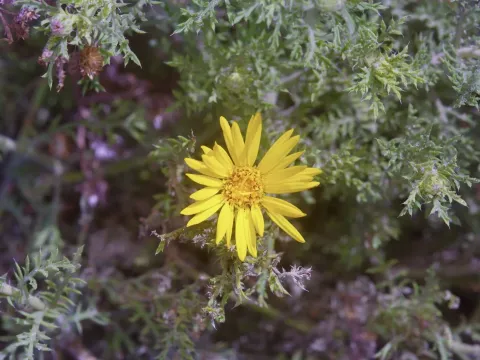
Xanthisma
Xanthisma
Sowing Xanthisma (Xanthisma texanum) is typically performed in early spring, immediately after the risk of frost has passed, if direct seeding into the ground is practiced.
What the section contains

Xanthisma
For earlier flowering, seeds can be started indoors 6–8 weeks before the scheduled transplant date. Seeds require surface sowing or very light covering, as they need light to germinate successfully.
The optimal germination temperature ranges from 18 to 22 degrees Celsius. Maintaining consistent substrate moisture until mass emergence is critical for uniform crop development.
When starting indoors, seedlings should be transplanted during the two-leaf stage to avoid disturbing the taproot system, which is characteristic of this genus.
In regions with mild winters, autumn sowing is possible, allowing the plants to undergo natural stratification and bloom as early as possible in the following season.
Xanthisma is a drought-tolerant plant originating from North American habitats and thrives best in well-drained sandy or loamy soils.
The crop is highly dependent on light levels: full sun exposure throughout the day is essential for vigorous growth and abundant floral display.
Water stagnation in the root zone is detrimental, so creating a drainage layer or incorporating soil amendments is necessary when planting in heavy clay soils.
Soil pH should ideally be neutral or slightly alkaline, as excessive acidity inhibits the growth and development of the aerial biomass.
In terms of fertilization, Xanthisma does not require high nitrogen levels, as excessive nutrients often lead to vegetative overgrowth at the expense of floral quality.
The primary threats include fungal root diseases, which are usually induced by soil waterlogging, such as root rot and Fusarium wilt.
Among pests, aphids and spider mites pose the greatest risk, particularly during hot and dry summer months when the plants may experience heat stress.
During periods of high ambient humidity, powdery mildew may develop, appearing as a characteristic white fungal mat on the foliage surface.
To prevent the spread of diseases and pests, it is recommended to maintain proper spacing for airflow and perform regular weeding to eliminate alternative hosts.
If symptoms appear, systemic fungicides should be applied for disease control, while bio-insecticides or insecticidal soaps are recommended for pest management.