
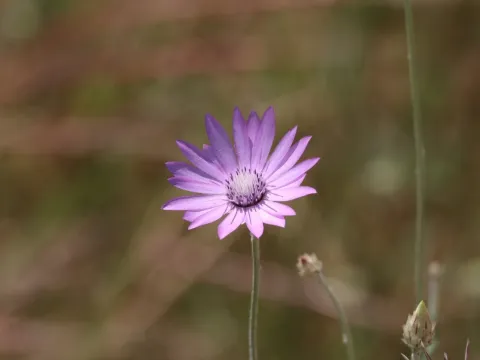
Xeranthemum
Xeranthemum
Xeranthemum belongs to the Asteraceae family. This annual herb is typically grown from direct seeding in late April or early May once the soil has warmed and the frost risk has passed.
What the section contains

Xeranthemum
For earlier flowering, nursery-grown transplants can be used. Seeds are sown in trays or containers in March, maintaining a germination temperature between 18–20 degrees Celsius.
Seedlings usually emerge within two weeks. When using the transplant method, thinning or transplanting into individual pots is required at the two-true-leaf stage to encourage root development.
Recommended planting density for field cultivation is approximately 20–25 plants per square meter to ensure proper air circulation and reduce disease pressure.
Transplanting to the permanent location should take place in late May to allow the plants to establish before the peak of summer heat.
This crop is heliophilic and drought-tolerant; therefore, it requires full sun exposure and well-drained soil to thrive and produce high-quality blooms.
Xeranthemum prefers light, sandy, or loamy soil types with a neutral to slightly alkaline pH, which prevents root rot and promotes vigorous development of the flower stems.
Excessive organic fertilization should be avoided, as it encourages dense vegetative growth instead of the desired flower production, which is crucial for dry flower quality.
Watering must be moderate and regular during the active growth phase, but the soil should be allowed to dry out slightly between irrigation cycles to prevent fungal issues.
Limited applications of balanced mineral fertilizers with low nitrogen content are recommended once or twice per season to support the development of firm, colorful flower heads.
Yield is measured by the number of marketable inflorescences per square meter. A single healthy plant can produce between 10 and 20 quality flower stems per season.
Overall productivity depends on soil fertility and light levels. While rich soil boosts plant size, slightly poorer soil often produces more resilient flowers suitable for long-term storage.
Harvesting should occur when the flower heads are semi-open, as this stage ensures the best structural integrity and color retention after the drying process is complete.
Deadheading spent flowers helps stimulate the production of secondary buds, effectively extending the harvesting window until the first significant autumn frost.
For consistent future crops, seeds should be collected from the most robust and disease-free specimens at the end of the season to maintain plant vigor.
The primary threats to Xeranthemum are root rots, which are typically triggered by poor drainage or excessive soil moisture levels throughout the growing season.
High humidity can lead to powdery mildew outbreaks, causing white fungal growth on the leaves and stems, which can stunt plant growth and reduce overall yields.
Common pests like aphids and spider mites can infest the crop by feeding on tender buds and shoots, necessitating regular monitoring and timely intervention.
Biological pest control methods and crop rotation are strongly recommended to minimize the impact of pathogens and pests without the excessive use of chemicals.
Proper sanitation, including the removal of infected debris from the field, is essential for maintaining a healthy environment for the crop in subsequent years.
Effective harvesting involves cutting stems with a sharp tool just as the flowers reach their peak maturity, ensuring a clean cut that doesn't damage the root crown.
Bunches of cut stems should be hung upside down in a cool, dark, and well-ventilated room to ensure even moisture evaporation and to maintain color intensity.
Direct exposure to sunlight must be avoided during the drying process, as UV radiation will bleach the natural pigments and diminish the aesthetic value of the stems.
The drying process typically takes about 10 to 14 days. Once fully dried, the flowers exhibit a characteristic texture and are ready for commercial or decorative use.
Properly dried Xeranthemum can be stored for extended periods in dry, dust-free containers, retaining its structural integrity and beauty for interior design applications.