
Xerochrysum hybrids
Xerochrysum hybrids
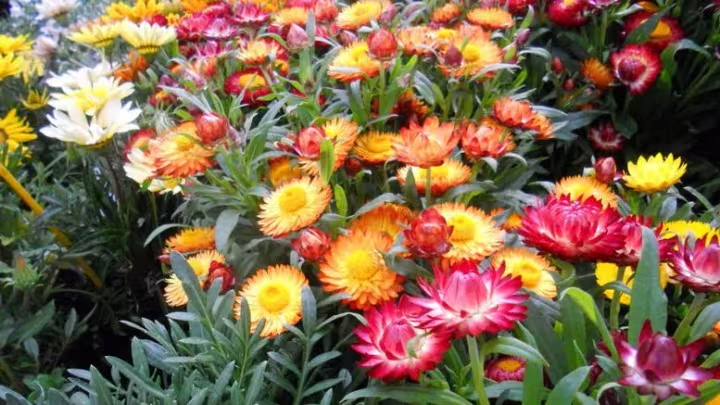
Description
Sowing dates
Xerochrysum hybrids are best started indoors in late winter or early spring, about 6 to 8 weeks before the anticipated final frost date.
Seeds require light to germinate effectively, so they should be pressed lightly into the surface of the growing medium rather than buried deep.
For direct sowing, wait until the soil has warmed up significantly and all danger of night frost has passed, ensuring rapid and uniform emergence.
When transplanting, handle seedlings with care to avoid root damage; the plants should be spaced at least 25-30 centimeters apart to ensure airflow.
Maintaining a steady temperature of approximately 20 degrees Celsius is optimal for the most vigorous seedling development during the early stages.
Growing requirements
Belonging to the Asteraceae family, these plants are highly valued for their drought tolerance and ability to thrive in sunny, dry environments.
The ideal soil for cultivation is well-draining, sandy, or loamy soil with a neutral to slightly acidic pH level, which prevents moisture retention.
Sunlight is the most critical environmental factor; these flowers require full sun exposure to produce the best quality, vibrantly colored flower heads.
Watering should be managed carefully, ensuring the root zone stays relatively dry to prevent fungal growth while providing enough hydration during extreme heat.
Moderate fertilization with a balanced, low-nitrogen feed helps produce strong, upright stems suitable for both fresh and dried floral arrangements.
Main diseases and pests
Excessive humidity is the primary enemy of Xerochrysum, as it promotes the development of root rot and stem decay in poorly drained soils.
Powdery mildew can become a significant issue in crowded garden beds where leaves remain damp for extended periods, reducing the aesthetic quality.
Aphids are the most common insect pests, often congregating on the stems or buds and causing deformation of the developing flower heads.
Implementation of a rigorous sanitation program and crop rotation is necessary to keep soil-borne pathogens from accumulating over multiple growing seasons.
Using broad-spectrum fungicides as a preventative measure during prolonged rainy spells is a common practice in commercial cut flower production.
Harvesting
The harvest should occur when the flower heads are about two-thirds open, as they will continue to expand slightly even after being cut.
For optimal drying, hang the bunches upside down in a dark, cool, and well-ventilated room to preserve the bright natural pigments of the bracts.
These everlasting flowers are staples in the floral industry for dried arrangements, wreaths, and permanent decorations due to their longevity.
Commercial producers emphasize careful handling during harvest to avoid bruising the delicate bracts that constitute the decorative part of the flower.
Once properly cured, the stems become rigid and durable, allowing for versatile creative applications in long-lasting, low-maintenance floral displays.