
Xerochrysum subundulatum
Xerochrysum subundulatum
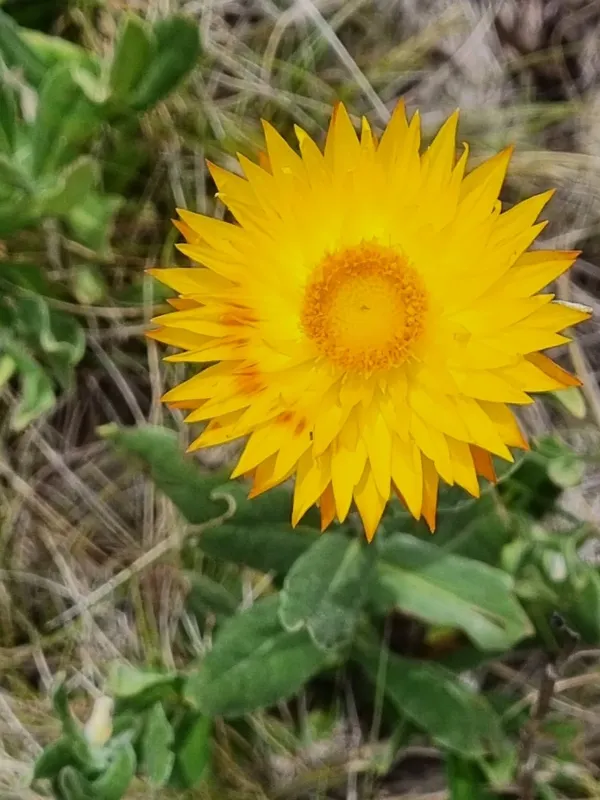
Description
Sowing dates
Sowing seeds of Xerochrysum subundulatum is best initiated indoors during early spring. This approach ensures that the plants are sufficiently mature before transplanting.
Seeds should be sown in a sterile, well-draining seed-starting mix. Lightly cover the seeds with vermiculite to maintain high humidity around the germinating embryo.
Temperature control is vital; maintaining a steady 18–20°C environment will promote uniform germination within two weeks of sowing.
Seedlings should be moved to individual pots once the first true leaves appear to prevent root crowding and stress during the early growth phase.
Transplanting into the permanent garden site occurs once all threats of frost have passed, ensuring the plants are hardened off gradually prior to the move.
Growing requirements
Belonging to the Asteraceae family, Xerochrysum subundulatum is a perennial species native to alpine and subalpine regions of Australia, exhibiting high resilience.
Full sun is a strict requirement for this crop. Inadequate light exposure leads to elongated stems, poor vigor, and a drastic reduction in flower production.
The crop thrives in gritty, sandy, or rocky soil types that mimic its natural habitat. Heavy clay soils must be amended to prevent root rot.
Moisture management is key; while the plant is drought-tolerant once established, supplemental irrigation is necessary during dry spells to maintain high flower quality.
Fertilization should be conservative. A balanced, low-nitrogen liquid feed applied once or twice during the early vegetative stage is sufficient for healthy growth.
Main diseases and pests
The primary threats to this crop include fungal diseases such as powdery mildew, which often develops in areas with high humidity and poor air circulation.
Root rot caused by Phytophthora or Pythium species is a significant risk in waterlogged soils, necessitating proper drainage and site selection.
Aphids and spider mites may occasionally infest the foliage, especially during hot, dry periods, requiring close monitoring and biological or chemical intervention.
Slugs and snails can cause damage to young seedlings after transplanting, so protective measures should be implemented during the early stages of establishment.
To minimize disease pressure, maintain adequate spacing between plants to allow for airflow and avoid overhead irrigation during evening hours.
Harvesting
The harvest strategy for Xerochrysum subundulatum focuses on the preservation of its structural integrity for use as an "everlasting" or dried flower.
Stems must be cut when the central florets have only just begun to open. Harvesting too late causes the flower to continue opening and potentially drop petals during drying.
For optimal drying, stems are bundled and hung upside down in a darkened room with excellent airflow to preserve the color of the bracts.
Once fully dehydrated, the flowers maintain their stiff texture and vibrant color for an extended period, making them ideal for long-lasting decorative arrangements.
The harvested product remains a popular commercial crop for florists who specialize in permanent botanical designs and dried floral craft items.