
Xeranthemum cylindraceum
Xeranthemum cylindraceum
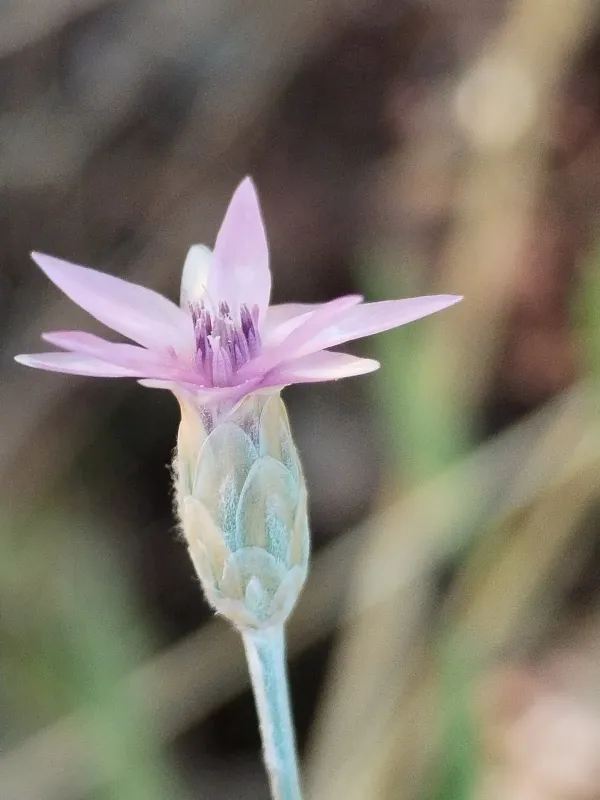
Description
Sowing dates
Xeranthemum cylindraceum is best sown directly into the soil during mid-spring when soil temperatures consistently reach 15–20 degrees Celsius. Ensure the seedbed is finely prepared to promote optimal germination.
Seeds should be covered with a very thin layer of soil or sand, as they require sufficient light to germinate effectively. Maintain consistent moisture until the seedlings establish their initial root system.
Spacing is a critical factor for crop quality; plants should be kept approximately 20–30 cm apart. This prevents overcrowding, which is a major precursor to moisture-related diseases in the field.
In regions with shorter growing seasons, starting plants indoors in trays 4–6 weeks before the last frost date is highly recommended. This strategy maximizes the production period for harvesting.
Proper weed control in the early growth stages is essential. Using a pre-emergent mulch can help suppress weeds while providing the seedlings with a stable growing environment during the vulnerable emergence phase.
Growing requirements
The plant thrives in full sun exposure. Reduced light availability negatively impacts the vibrancy of the bracts and overall stem structure, which is vital for the ornamental value of the harvest.
Xeranthemum cylindraceum is exceptionally well-adapted to well-drained, sandy, or loamy soil profiles. It struggles in heavy clay soils that are prone to waterlogging, as these conditions invite root pathogens.
The culture displays remarkable drought tolerance, making it an ideal candidate for low-maintenance agricultural plots in arid climates. Excessive irrigation is unnecessary and potentially harmful.
Soil pH should ideally be neutral or slightly alkaline. In acidic conditions, applying agricultural lime during soil preparation can significantly improve plant vigor and color quality.
Fertilizer application should be minimal. Nitrogen-rich fertilizers should be avoided as they lead to excessive foliage growth at the expense of flower production, which is the primary objective for this crop.
Main diseases and pests
Fungal pathogens such as powdery mildew are common in environments with poor air circulation or high humidity. Managing plant density is the primary preventive measure against these outbreaks.
Root rot, typically caused by soil saturation, remains a constant threat. Ensuring adequate soil drainage and implementing a strict watering schedule are critical components of the crop management plan.
Pests like aphids and thrips can cause damage during the budding phase. Monitoring for these insects is necessary, and targeted, organic-friendly insecticide sprays may be utilized if population thresholds are exceeded.
Slugs and snails can target young, tender seedlings in the early spring, especially after rainfall. Protective barriers or baits should be used if significant grazing damage is observed early on.
Crop rotation is essential for long-term soil health. Avoiding planting Asteraceae species in the same location for at least three seasons helps mitigate the buildup of soil-borne pests and diseases.
Harvesting
The harvest phase occurs when the flowers are fully developed but before the seed heads begin to mature and shed. Harvesting at the peak of bloom ensures the highest quality of dried material.
The stems should be cut in the morning after the dew has evaporated but before the heat of the day reaches its peak, preserving the integrity of the botanical tissues.
After cutting, the stems should be bundled and hung upside down in a cool, dark, and well-ventilated space. This process ensures the flowers dry slowly without losing their natural shape or color.
Maintaining air circulation during the drying process is vital to prevent fungal spores from settling on the flowers. Dehumidifiers can be used in high-humidity environments to accelerate the process.
Once fully dried, the flowers should be stored in opaque, moisture-proof containers until they are ready for market. This practice prevents light-induced fading and protects the brittle stalks from breakage.