
Sticky everlasting
Xerochrysum viscosum
Description
Sowing dates
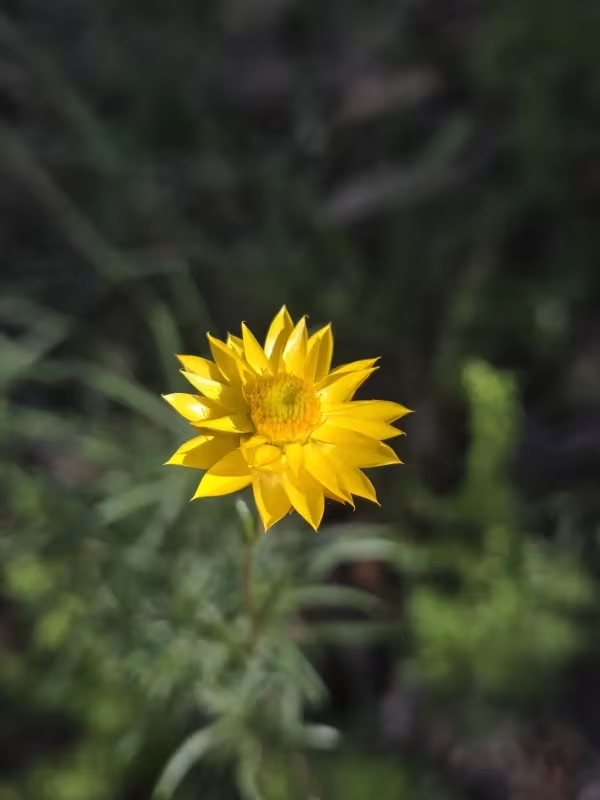
Sticky everlasting (Xerochrysum viscosum) is an herbaceous perennial from the Asteraceae family, native to Australia. It is widely cultivated for the commercial production of everlasting flowers, appreciated for their durability and bright, papery bracts.
Seed propagation is usually started in greenhouse conditions in early spring. The seeds are surface-sown in a light, moist substrate, as they require light to germinate effectively. A constant temperature of around 18–20 degrees Celsius is optimal for success.
Transplanting to the permanent field site should only occur once all danger of spring frost has passed. The plants are sensitive to cold and require a transition period to adjust to the outdoor environment before rapid growth begins.
The chosen site must be fully exposed to the sun and protected from strong winds. Soil must be loose and sandy to prevent waterlogging, as the root system of Xerochrysum is highly susceptible to rot in heavy or damp soils.
Planting density is typically adjusted to allow for significant spacing between rows, typically around 30-40 cm, which ensures the necessary ventilation to keep the foliage dry and prevent fungal outbreaks during the growth cycle.
Growing requirements
The crop thrives in well-drained, sandy, or stony soils that mimic its natural habitat. It has a high tolerance for nutrient-poor soils, which actually encourages the production of more flowers rather than excessive foliage growth.
Water requirements for sticky everlasting are low once the plants are established. Overwatering is the most common cause of failure in cultivation; therefore, it is best to allow the substrate to dry out between watering intervals.
Sunlight is the primary requirement for successful yield. Shaded conditions lead to weak stems that may collapse under the weight of the flower heads, and the bracts may lose their characteristic stickiness and color intensity.
Soil pH should ideally be near neutral. If the soil is heavy or prone to crusting, the addition of organic mulch or coarse sand is recommended to improve the soil structure and drainage capacity.
Fertilization should be managed carefully. Excessive nitrogen application should be avoided as it stimulates vegetative growth at the expense of flower production. A balanced, low-nitrogen feed during the budding stage is sufficient.
Main diseases and pests
Powdery mildew is a common threat, particularly in regions with high humidity or cool nights. It manifests as a white, dusty layer on the leaves, which can reduce the plant's vigor and affect the quality of the harvested stems.
Root rot, specifically caused by Pythium or Phytophthora, is a severe threat in waterlogged soils. Ensuring excellent drainage and avoiding over-irrigation are the most effective preventive measures against these pathogens.
Aphids are the primary insect pests affecting Xerochrysum. They congregate on the developing flower heads, causing damage that leads to deformed bracts, which significantly reduces the aesthetic value of the dried product.
Thrips can also cause damage to the flowers by scarring the bracts. Integrated pest management, including monitoring and the use of targeted insecticidal soaps, is recommended when infestations exceed economic thresholds.
Good field hygiene is essential for disease management. Removing and destroying infected plant debris after the growing season helps to break the cycle of pathogens that may otherwise overwinter in the soil.
Harvesting
Harvesting is performed when the flower heads are still in a bud-like state, before the central tubular florets open. This is the optimal time to ensure the flowers retain their shape and structural integrity after drying.
Harvesting should take place on dry, sunny days after the morning dew has completely evaporated. Cutting the stems while they are wet increases the risk of mold growth during the drying process.
The stems are cut at the desired length and immediately stripped of their lower leaves. Removing this foliage is necessary to improve airflow within the bunches and to prevent rotting during the drying phase.
The bunches should be hung upside down in a dark, well-ventilated location. Drying away from direct sunlight is crucial to preserve the natural pigments of the bracts, as ultraviolet light causes rapid fading.
Once completely dried, the stems can be stored in a dry, cool place. When properly managed, the sticky everlasting maintains its shape and color for several years, making it a valuable commodity for the dried floral industry.