
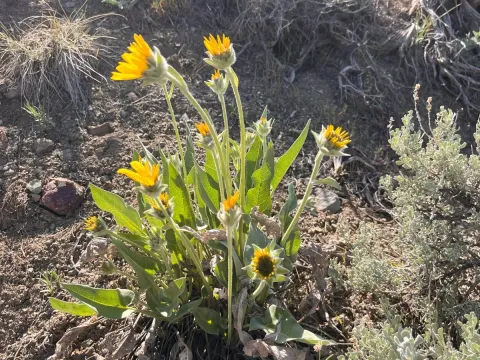
Wyethia
Wyethia
Wyethia is a perennial herbaceous plant belonging to the Asteraceae family, typically established through direct seeding. Sowing is recommended in the autumn, allowing seeds to undergo natural cold stratification, which significantly improves germination rates in the spring.
What the section contains


Wyethia
When sowing in the spring, seeds must be artificially stratified to break dormancy. The recommended sowing depth is 1–2 centimeters, ensuring the seeds are placed in firm, well-moistened soil to establish a strong root system during the initial stages of growth.
Row spacing should be maintained at 45–60 centimeters to facilitate mechanical weed control and ensure each plant has adequate access to nutrients. Uniform seed placement is critical for creating a consistent plant stand that can resist environmental stress.
Choosing the right field location is essential, specifically avoiding areas with heavy weed pressure. The use of high-quality, certified seeds is recommended to maximize the success of initial crop establishment and ensure long-term productivity of the planting.
Post-seeding compaction using a light roller is an effective method to improve soil-to-seed contact, thereby accelerating moisture uptake and ensuring more uniform emergence across the entire field.
Wyethia thrives in full sun and requires well-drained, deep soils to reach its maximum biological potential. The plant is highly adaptive to various soil textures, including sandy loams, as long as the drainage is excellent to prevent root zone saturation.
The culture is noted for its deep, hardy taproot, which provides exceptional drought tolerance once the plants are established. This makes it a viable candidate for regions characterized by erratic rainfall and limited water availability during the summer months.
Soil pH should ideally be neutral to slightly alkaline for optimal nutrient uptake. While Wyethia is quite resilient, it performs best in moderate climates and should be protected from extreme waterlogging, which can trigger root-related disorders.
During the first year, providing adequate moisture and managing competition from invasive species are the primary requirements for ensuring that the young plants develop a deep root system. Fertilizer applications should be based on initial soil testing.
The site selection should prioritize open areas with good air circulation to reduce humidity levels, which in turn helps in minimizing the risk of foliar diseases during the humid phases of the growing season.
The yield of Wyethia is cumulative, with biomass production increasing significantly as the root system matures over the first three years. Productivity levels can remain high for several years with proper management and consistent harvesting schedules.
For optimal forage quality, the crop should be harvested during the early flowering or late bud stage. This timing ensures the highest protein content and digestibility, making it a valuable feed source for livestock such as cattle and sheep.
Wyethia serves as an excellent component for permanent pasture mixes due to its ability to recover quickly after grazing or mowing. The deep root system allows for rapid regrowth even after the harvesting of the primary green biomass.
Seed production is an additional economic potential for growers. Harvesting should occur when the seed heads darken, but before natural shattering begins, requiring careful monitoring of the field to optimize collection timing.
Sustainable management involves balancing the frequency of mowing with the plant's need to store energy in its taproots. Over-harvesting can weaken the stands, so rotational cutting schedules are highly recommended for long-term viability.
Fungal infections, particularly powdery mildew caused by Erysiphe species, are a common threat when humidity levels are high for extended periods. Improving airflow and practicing timely weeding can help keep these pathogen populations in check.
Various insect pests, including leaf-feeding beetles and aphids, may colonize the plants. While established Wyethia is quite robust, young stands should be inspected frequently for signs of feeding damage, especially during the spring growth flush.
Root-knot nematodes can pose a risk in certain soil types, leading to stunted growth and reduced biomass yield. Crop rotation strategies are essential, and growers should avoid planting in areas where susceptible host crops were previously cultivated.
In seed production areas, larvae of certain insects can damage the seed heads, resulting in lower harvest volumes. Integrated pest management practices, including the use of targeted biological controls, are preferred to chemical interventions.
Slugs and snails can be problematic for young seedlings. Establishing barrier zones or using safe deterrents around the perimeter of the field is a standard practice to protect the plants during their most vulnerable stage of development.