
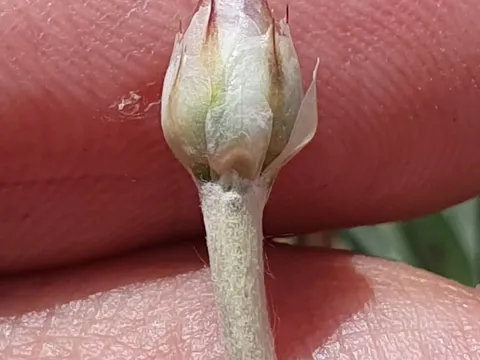
Xeranthemum inapertum
Xeranthemum inapertum
Xeranthemum inapertum is an annual herb belonging to the Asteraceae family. It is widely cultivated for its persistent floral structures, which make it an excellent choice for dried flower arrangements.
What the section contains
Xeranthemum inapertum
The seeds are typically sown in early spring as soon as the soil temperatures are stable. Direct seeding into prepared beds is the most common practice for field cultivation.
For early bloomers, seedlings can be started in trays under protected conditions. The seeds require shallow planting, usually no deeper than 1 cm, to ensure optimal germination rates.
Proper plant spacing is vital for the health of the crop. A density of about 20 to 25 plants per square meter is recommended to prevent competition for light and nutrients.
Germination usually takes 10 to 14 days under favorable conditions. Consistent soil moisture during the establishment phase is important for early growth.
This species thrives in sunny, open locations with excellent exposure. It is highly heat and drought-tolerant, reflecting its Mediterranean origins.
Soil requirements are relatively simple: the plant prefers light, well-draining sandy or loamy soils. Heavy soils that retain excess moisture should be avoided as they lead to root stress.
The plant performs best in neutral to slightly alkaline soil conditions. It does not tolerate high nitrogen levels, which can cause excessive vegetative growth at the expense of flower production.
Supplemental irrigation is rarely needed once the plants are established. The root system is efficient at gathering moisture in arid environments.
Keeping the planting area free of weeds is essential, as the young seedlings of Xeranthemum inapertum are poor competitors in their early growth stages.
Xeranthemum inapertum is generally robust, but it can be susceptible to fungal issues if cultural conditions are not met, specifically regarding soil drainage.
Root rot is the most common threat, almost always caused by waterlogging or poor drainage. Ensuring that the soil does not stay soggy is the primary preventative measure.
Aphids and spider mites may occasionally infest the foliage, particularly during prolonged periods of hot and dry weather that stress the plants.
Powdery mildew can occur in humid environments with poor airflow. Thinning out the plants helps to mitigate this risk significantly.
Implementing a proper crop rotation strategy helps to reduce the build-up of soil-borne pathogens in commercial field production.
Harvesting for the dried flower market must be timed carefully. The flowers should be picked when the bracts are fully formed but before the disc florets have fully opened.
Once harvested, the stems should be bundled and hung upside down in a shaded, well-ventilated area to dry completely. This process preserves the bright color of the bracts.
The drying process usually takes about one to two weeks, depending on ambient humidity and airflow. Proper drying prevents the stems from becoming brittle or molding.
For seed production, allow the plants to remain in the field until the flowers turn brown and the seeds are fully mature and ready to detach naturally.
Once processed, the dried flowers should be stored in a cool, dry place away from direct sunlight to maintain their structural integrity and color for long-term use.