
Wyethia amplexicaulis
Wyethia amplexicaulis
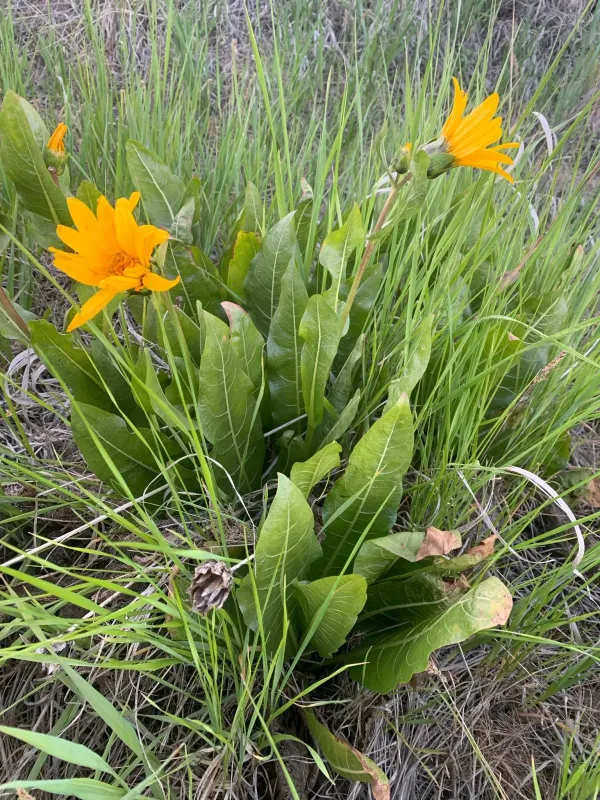
Description
Sowing dates
Sowing Wyethia amplexicaulis requires careful seed selection and stratification to ensure successful germination in field conditions.
The seeds should be planted in early spring or late autumn, allowing them to experience the necessary temperature fluctuations for optimal sprout emergence.
Proper seed depth, usually around 1–2 centimeters, is critical for achieving a uniform plant stand across the cultivated area.
Maintaining adequate soil moisture after sowing is essential to support the initial development of the root system in young seedlings.
Precision seeding equipment should be utilized to control plant density, which prevents overcrowding and allows for easier mechanical weed control later.
Growing requirements
Wyethia amplexicaulis, commonly known as Northern Mule Ears, is a hardy perennial belonging to the Asteraceae family, native to the Western United States.
It requires deep, well-draining soils with a neutral pH, as the plant is highly sensitive to root rot caused by stagnant water in heavy soils.
This species thrives in full sun exposure, which is vital for the development of its characteristic large leaves and the initiation of flower buds.
The plant demonstrates significant drought tolerance once established, making it suitable for regions with limited summer rainfall.
Climate requirements include distinct seasonal cycles, as the plant needs to undergo a winter dormancy period to sustain its long-term vigor.
Yield
The primary yield of this crop consists of green biomass, which serves as a valuable forage resource in specific ecological and agricultural systems.
Harvesting strategies must focus on the vegetative stage to maximize the protein and nutrient content of the forage before lignification occurs.
Seed production yields are highly dependent on the presence of local pollinators, as the plant relies on cross-pollination for efficient fruit set.
Ongoing research aims to improve the biomass yield through selective breeding programs focused on local populations of the species.
Yield management involves carefully balancing the harvest cycle with the plant's natural ability to recover after biomass removal.
Main diseases and pests
Powdery mildew and various foliar fungal pathogens pose the most significant risk, especially in areas with high humidity or poor air circulation.
Root-feeding larvae and certain aphid species can weaken the plant's defense mechanisms, making it more susceptible to environmental stresses.
Competitive weeds are a major challenge during the first year of growth, requiring diligent management to ensure the survival of the crop.
Effective pest management involves integrated strategies that prioritize crop rotation and the maintenance of healthy, non-waterlogged soil conditions.
Regular field scouting is recommended to detect early signs of infestation and to apply necessary remediation measures before damage becomes severe.
Harvesting
Harvesting for forage should be timed during the pre-flowering or early flowering phase to ensure the best balance between biomass and quality.
Mechanical harvesting equipment should be calibrated to maintain a proper cutting height to avoid damaging the crown of the plant.
Post-harvest handling requires efficient drying techniques to preserve the forage quality and prevent the growth of harmful molds.
Seed harvesting requires precision, as the seeds mature rapidly and can disperse if the timing of the collection is not strictly monitored.
Proper storage facilities are necessary for the harvested material to maintain its structural integrity and nutrient value over extended periods.