
Wyethia helenioides
Wyethia helenioides
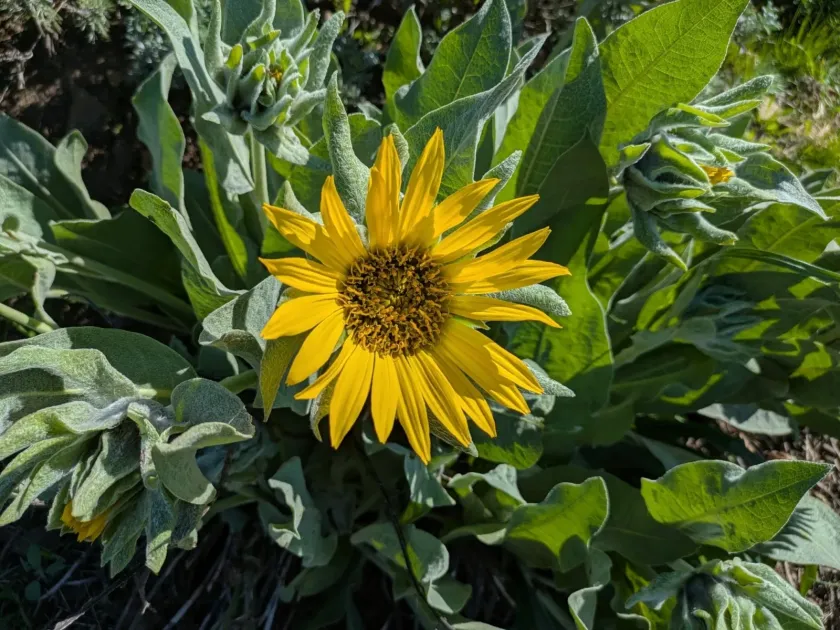
Description
Sowing dates
Wyethia helenioides is a perennial herb belonging to the Asteraceae family. Known for its robust growth, it is typically propagated through seed dispersal in its native Californian habitat.
Seeds require a period of cold stratification to break dormancy. For agricultural purposes, sowing in late autumn allows the seeds to undergo natural cycles before spring germination.
Optimum sowing depth is approximately 1.5 to 2 centimeters. Shallow sowing increases the risk of dehydration, while deeper placement may exhaust the energy reserves of the seedling.
Proper spacing is crucial to prevent competition for nutrients during the early establishment phase. Row spacing should provide enough room for the development of the basal rosette.
Initial growth is relatively slow as the plant invests heavily in its taproot system. Weed control during the first season is essential to ensure the plant's long-term survival.
Growing requirements
This species thrives in full sun exposure. It is highly adapted to open environments where light intensity is high and competition from taller vegetation is minimal.
Soil drainage is the most critical factor for successful cultivation. It performs best in rocky or sandy-loam soils that prevent moisture from accumulating around the crown.
The plant demonstrates excellent drought tolerance once established. Its deep taproot allows it to tap into subsoil moisture during the hot, dry summer months common in its range.
It prefers neutral to slightly alkaline soil conditions. Extreme pH fluctuations can limit the availability of essential micronutrients, leading to poor plant vigor.
The climate requirements include a distinct wet-winter and dry-summer cycle. While it is hardy, protection from excessive humidity and frost-heave is recommended in non-native climates.
Main diseases and pests
Root rot caused by fungal pathogens is the primary threat in poorly drained soils. Over-irrigation is the leading cause of mortality in cultivated settings.
Powdery mildew may occur on the foliage if air circulation is insufficient. Thinning out dense patches helps to manage humidity and fungal infection risks effectively.
Aphid infestations can stress the plant, particularly during the budding phase. Monitoring the plants and using targeted organic sprays can mitigate large-scale damage.
Burrowing rodents present a significant challenge in some areas. They often consume the root system, which can cause the sudden collapse of mature specimens.
Leaf-feeding insects may occasionally cause cosmetic damage. However, established plants are usually robust enough to tolerate minor defoliation without significant loss in vitality.