
Narrowleaf mule's ears
Wyethia angustifolia
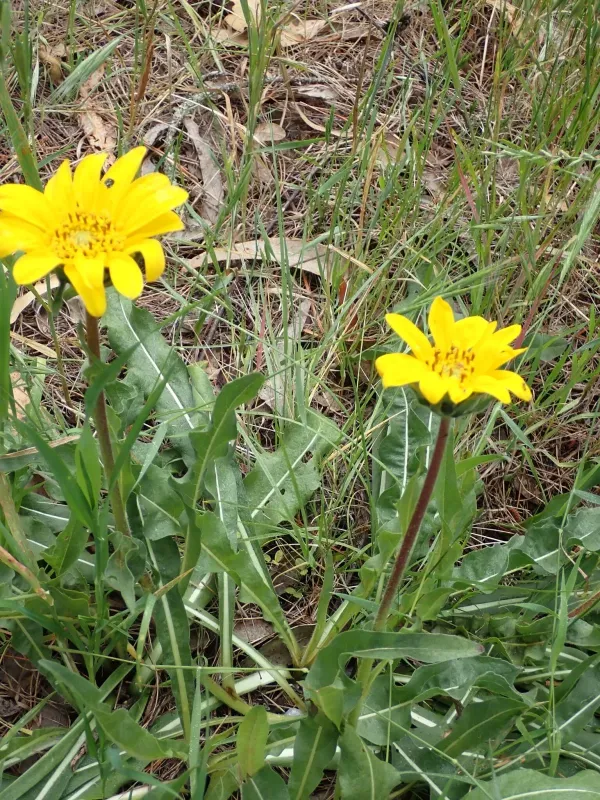
Description
Sowing dates
Narrowleaf mule's ears (Wyethia angustifolia) is a perennial herbaceous plant belonging to the Asteraceae family. It is a distinct species often found in wild landscapes, but it can be cultivated under specific agricultural conditions.
The sowing process requires attention to biological rhythms, as the seeds typically need a period of cold stratification to break dormancy. This is best achieved by planting in the autumn, allowing the natural winter cycle to prepare the seeds for spring germination.
When sowing in a nursery or field setting, seeds should be planted at a shallow depth of approximately 1-2 centimeters in well-draining soil. Providing a consistent but not excessive moisture level is vital during the initial germination phase.
Because the plant develops a deep taproot, it is not suitable for transplantation after it has established itself. Choosing a final, permanent location before sowing is an essential part of the agricultural management strategy for this crop.
Germination success is significantly increased when the soil temperature fluctuates naturally in early spring. This allows the plant to emerge precisely when environmental conditions are optimal for its initial development.
Growing requirements
Wyethia angustifolia thrives in open environments with high light intensity. It is naturally adapted to full sun exposures, which is crucial for the development of its characteristic leaves and the successful production of its seeds.
Soil requirements are centered on excellent drainage. The species performs best in rocky, sandy, or loamy soils where moisture does not accumulate. Heavy clay soils are generally unsuitable due to the risk of root rot during dormancy.
Regarding climate, the plant is hardy and adapted to regions with distinct dry and wet seasons. It can tolerate drought effectively once established, but it requires moisture during the active vegetative growth phase in late spring.
Agricultural techniques should focus on minimal disturbance of the root zone. Regular weeding is required during the first two years, as the seedlings grow relatively slowly compared to common competitive weeds.
Maintenance of soil pH is not overly demanding, as the plant is versatile, though it prefers neutral to slightly acidic conditions. Ensuring that the site remains free from stagnant water is the most critical requirement for long-term survival.
Main diseases and pests
The most significant threat to the culture is root rot, primarily triggered by poorly drained soil or excessive irrigation. Once symptoms appear, recovery is often difficult, making prevention through site selection the primary defense.
Pests such as leaf-eating beetles and caterpillars can cause localized damage during the active growing season. Regular scouting of the foliage is recommended to assess population levels before they reach an economic injury threshold.
Spider mites may become an issue during prolonged hot and dry periods if the plants are stressed. Maintaining plant vigor through adequate moisture management is the best preventive measure against such infestations.
Fungal diseases affecting the leaves may occur in seasons with high humidity. Proper spacing between plants is essential to ensure adequate airflow, which naturally reduces the risk of mildew and blight development.
In terms of management, utilizing sustainable pest control strategies is preferred to protect the ecosystem surrounding the plantation. Chemical interventions should be used sparingly and only when necessary to preserve crop health.