
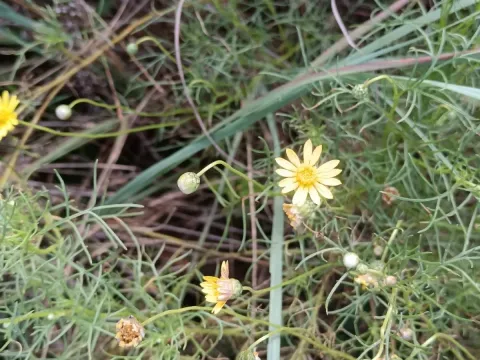
Ursinia nana
Ursinia nana
Ursinia nana is a heat-loving annual that requires careful timing for successful establishment. In temperate climates, seeds are typically started indoors in late March to ensure the plants are well-developed before the final frost date passes.
What the section contains
Ursinia nana
Direct outdoor sowing can be performed once the soil has warmed up thoroughly, generally by late May. The soil temperature should remain consistently above 15 degrees Celsius to trigger germination and prevent the seeds from rotting in cold, damp ground.
The seeds of Ursinia nana are light-dependent for germination and should be sown on the surface of the soil rather than buried deeply. A fine layer of vermiculite or sand is sufficient to hold them in place while allowing light to penetrate the surface.
After germination, seedlings require maximum light exposure to prevent legginess and ensure compact growth. Proper hardening-off procedures, involving gradual exposure to outdoor temperatures, are essential to minimize transplant shock when moving plants to their permanent location.
Spacing is critical for the long-term health of the crop. Planting individuals 20-25 centimeters apart ensures adequate airflow, which is crucial for reducing the humidity levels around the foliage and preventing fungal issues throughout the growing season.
As a member of the Asteraceae family originating from the arid regions of Southern Africa, Ursinia nana demands full sun exposure to thrive. Any form of shading or competition for light will result in weak, spindly plants and a significant reduction in flower production.
The plant performs best in light, sandy, or well-draining loamy soils with a neutral pH. Heavy, waterlogged soils are detrimental to the root system, so improving drainage with organic matter or gravel is highly recommended in areas with dense clay content.
Drought tolerance is a key feature of this species, allowing it to survive periods of limited rainfall with minimal supplemental irrigation. Overwatering is the most common mistake made in the cultivation of Ursinia nana, often leading to rapid decline.
Nutrient management should be conservative, as Ursinia nana does not require heavy fertilization. Excess nitrogen application promotes excessive vegetative growth at the expense of floral display; a balanced, slow-release fertilizer is usually sufficient to support the season.
Routine maintenance includes light cultivation of the topsoil to prevent crusting and to manage weed interference. Maintaining a clean growing area during the first month of development helps the plants establish their root systems without competition for nutrients.
The primary threat to Ursinia nana is the development of root and crown rots caused by saturated soil conditions. Ensuring that the soil drains quickly after rainfall or irrigation is the most effective preventative measure against these systemic infections.
Powdery mildew can occur in stagnant, humid air, especially when temperatures fluctuate during late summer. Improving air circulation around the plants and ensuring the foliage stays dry during irrigation are key strategies for managing this fungal disease.
Aphids can occasionally infest the new, tender shoots during hot and dry spells. Monitoring the growing tips and underside of leaves is necessary to detect early infestations before they multiply and damage the plant's aesthetic value.
Spider mites are another potential pest, particularly in very dry environments. Their presence is often indicated by stippling on the leaves, which can be managed with insecticidal soaps or by maintaining optimal humidity levels, although excessive moisture must be avoided.
Practicing crop rotation is vital to avoid the buildup of soil-borne pathogens. Removing and destroying infected plant debris at the end of the season prevents overwintering of pests and fungi, ensuring a cleaner environment for the next planting cycle.