
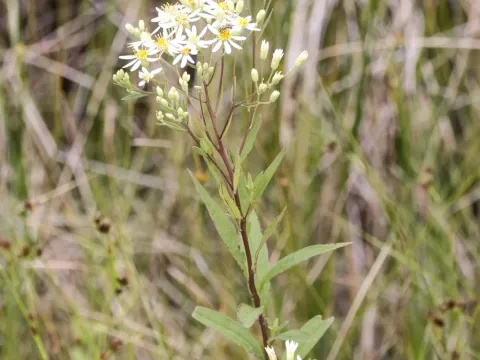
Umbrella flat-top aster
Aster umbellatus
Sowing seeds of Umbrella flat-top aster requires a period of cold stratification to break dormancy. In cooler climates, sowing directly into the ground during late autumn is highly effective, as winter conditions naturally provide the necessary cold treatment.
What the section contains
Umbrella flat-top aster
If choosing to sow in the spring, seeds should be pre-chilled in a refrigerator within moist sand or paper towels for at least 6 weeks. After stratification, they can be sown on the soil surface, as they require light to germinate effectively.
For indoor propagation, start seeds in starter trays about 8 weeks before the last expected frost. Use a well-draining seed starting mix and keep the substrate consistently moist until the seedlings emerge and develop true leaves.
Transplanting established seedlings into the garden should be done only after the danger of frost has passed. Ensure that the soil is prepared with organic matter to help retain the moisture levels that this species naturally prefers.
Division is the preferred method for propagating mature, healthy specimens. By dividing the rhizomes every three to four years, gardeners can prevent overcrowding and ensure that the plants continue to bloom vigorously in the following seasons.
Umbrella flat-top aster (Aster umbellatus, taxonomically reclassified as Doellingeria umbellata) is a robust perennial belonging to the Asteraceae family. It is native to North American wetlands and forest margins, which dictates its preference for moisture.
The plant thrives in full sun but will also tolerate partial shade. While it prefers moist environments, it needs soil that remains damp without becoming stagnant, requiring a site with good drainage or consistent natural water supply.
The ideal soil for this species is rich in organic content, such as loam or peat-based soil. It performs best in slightly acidic to neutral soil conditions, generally maintaining a pH range between 5.5 and 7.0 for optimal nutrient uptake.
Maintenance involves routine watering during hot, dry spells, as the plant is not drought-tolerant. Applying a layer of organic mulch around the base of the plant will help regulate soil temperature and minimize moisture evaporation.
Fertilization is generally light. A balanced organic fertilizer applied once in early spring is usually sufficient to support strong vegetative growth and subsequent flower production throughout the mid-to-late summer period.
The most common disease affecting Doellingeria umbellata is powdery mildew, which appears as a white dusting on the foliage. This condition is often encouraged by high humidity and poor air circulation around the plants.
Leaf spot diseases can also occur if the foliage remains wet for extended periods. To mitigate this risk, it is recommended to water at the base of the plant rather than overhead, and to ensure adequate spacing between individual specimens.
Pests such as aphids and spider mites can occasionally target the succulent new growth of the aster. Early detection through regular inspections allows for the use of gentle treatments, such as insecticidal soaps or neem oil, to control populations.
Snails and slugs can be problematic for young plants during the spring growth phase. Using barriers like copper tape or crushed eggshells can help protect the tender shoots from being consumed by these common garden mollusks.
Proper hygiene, such as removing dead plant matter in the autumn, is essential to minimize the overwintering of pathogens and insect larvae, thereby reducing the need for chemical interventions in the subsequent growing season.
Harvesting for floral arrangements should be performed when the flowers are nearly fully opened. Cutting the stems early in the morning, when the plant's moisture content is highest, ensures the best longevity for cut flowers in vases.
Seed harvesting should be timed for the late season, after the flower heads turn brown and begin to release fluff. Collecting the heads just before they fully disperse allows for the extraction of seeds for future planting projects.
Post-flowering maintenance involves cutting the stems back to within a few inches of the ground. This practice tidies the garden space and directs the plant's energy toward root development and storage for the winter months.
If storing rhizomes for spring sale or transplanting, they must be kept in a cool, dark, and moderately humid environment. Keeping them in slightly dampened peat or vermiculite prevents the roots from desiccating.
In landscaping, this plant is valued for its flat-topped clusters of white flowers that attract pollinators. Regular monitoring of the clump size allows for consistent aesthetic appeal and plant health management over several years.