
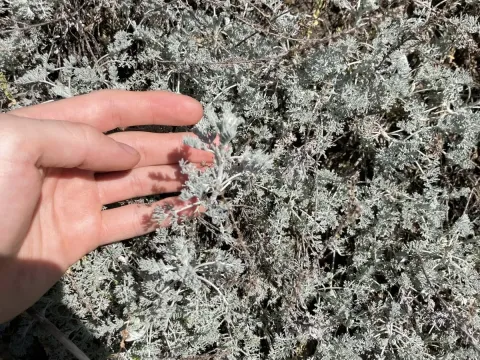
Vallis wormwood
Artemisia vallesiaca
Vallis wormwood (Artemisia vallesiaca) is a perennial plant species belonging to the Asteraceae family. It is recognized for its adaptation to harsh, arid, and high-altitude environments, making it a resilient candidate for specific agricultural climates.
What the section contains
Vallis wormwood
The plant exhibits a shrubby growth habit with characteristic pubescent leaves that minimize water loss through transpiration. It thrives in regions with intense solar radiation and significant temperature fluctuations between seasons.
Soil requirements for this species are minimal regarding fertility; however, soil structure is paramount. It requires excellent drainage, as the species is highly susceptible to root decay in heavy, waterlogged soils.
Cultivation practices involve selecting sunny, open fields with alkaline or neutral soil pH. Due to its natural habitat preferences, it performs exceptionally well on gravelly or sandy substrates where other traditional crops fail.
Maintenance is relatively low once the plant is established. Irrigation should be restricted to periods of extreme drought, as the plant is naturally evolved to survive with limited water availability.
Root rot is the primary threat to the crop, often triggered by excessive rainfall or poor drainage management. Maintaining soil aeration is the most effective cultural practice to mitigate this risk.
Pests such as aphids and leaf-eating beetles may infest the crop during the peak growing season. Regular scouting of the fields is essential to identify early signs of infestation and prevent rapid spread.
Powdery mildew can occur in overly humid conditions or dense stands where air circulation is restricted. Managing spacing between plants is crucial to keep the foliage dry and reduce the likelihood of fungal outbreaks.
Rodents may occasionally damage the root systems, especially during winter months. Protecting the base of the plants and maintaining clean perimeters around the fields can help reduce rodent activity.
Effective management includes integrated pest control strategies that prioritize physical spacing and drainage optimization over chemical interventions to maintain the organic quality of the harvested material.