
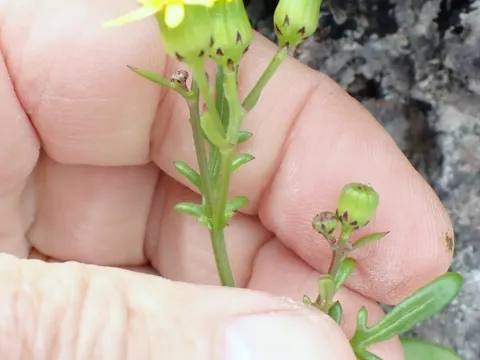
Variable groundsel
Senecio lautus
Sowing Variable groundsel (Senecio lautus) is best timed for early spring when soil temperatures reach at least 12-15 degrees Celsius. This ensures optimal germination rates and establishes a strong root system before the summer heat.
What the section contains
Variable groundsel
The seeds are small and should be sown on the surface of the growing medium. A light dusting of vermiculite or fine soil is sufficient to hold them in place while allowing necessary light exposure for germination.
When starting in trays, keep the substrate consistently moist but not waterlogged. Using a humidity dome or clear cover can create the perfect microenvironment until the first set of true leaves appears.
Once seedlings reach about 5 centimeters in height, they are ready to be transplanted. Handle them with care to avoid root disturbance, which can cause transplant shock and delay maturity.
Direct seeding in the field requires a weed-free bed. Space plants approximately 30 to 40 centimeters apart to provide enough air circulation and space for mature foliage to spread comfortably.
Variable groundsel is a member of the Asteraceae family, native to various Australian landscapes. It is a highly adaptable species, preferring sites with full solar exposure to thrive and produce its signature vibrant flowers.
The plant performs best in well-drained, sandy, or loamy soil. It is relatively tolerant of lower fertility levels but benefits from balanced fertilization during the primary growing season to support its vigorous habit.
Water requirements for this species are moderate. While the plant shows decent drought tolerance once established, consistent moisture is vital during the flowering phase to prevent premature wilting or flower drop.
Climatic requirements vary depending on the local ecotype, but generally, the species prefers temperate conditions. It is sensitive to extreme frosts, which can cause significant tissue damage if plants are not adequately protected.
Maintenance involves periodic deadheading of spent blooms. This practice not only keeps the plant looking tidy but also encourages the production of new flower buds throughout the growing season.
Typical pests affecting Senecio lautus include aphids, which often cluster on the tender tips of new growth. Regular scouting is recommended to catch infestations before they cause significant leaf curling.
Fungal issues such as powdery mildew can become a problem in dense plantings with poor air circulation. Improving spacing and ensuring foliage remains dry during irrigation are effective preventative measures.
Root rot is a common threat in poorly drained or heavy clay soils. Ensuring proper soil preparation with organic matter and grit is the primary defense against these soil-borne pathogens.
Snail and slug damage can occur during the seedling stage. Implementing barrier methods or using iron phosphate-based baits can protect young plants from being consumed during wet weather spells.
While the plant is quite robust, it remains susceptible to whitefly under greenhouse conditions. Monitoring and the use of appropriate biological controls like predatory mites can help maintain healthy populations.