
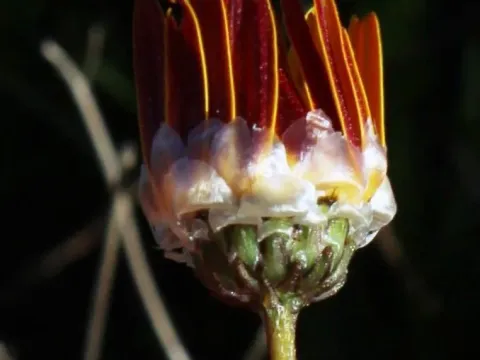
Ursinia
Ursinia
Sowing Ursinia directly in the open ground should be performed after the risk of late spring frosts has passed. The soil temperature should be at least 12–15 degrees Celsius to ensure reliable germination and healthy initial growth of the seedlings.
What the section contains


Ursinia
For gardeners in regions with shorter summers, starting seeds indoors is highly recommended. Sow the seeds in late March or early April in light, well-draining potting soil, barely covering them with a thin layer of substrate as they require light to germinate.
Once the seedlings develop two true leaves, they should be pricked out into individual pots. Handling the roots with care is essential, as Ursinia does not respond well to disturbance, which can lead to a significant growth setback.
When transplanting into the garden, ensure a spacing of at least 20–25 centimeters between individual plants. Proper spacing is vital to promote air circulation, which helps reduce humidity around the base of the plant and prevents fungal infections.
The seeds generally retain their viability for about three years if stored in a cool, dry, and dark environment. Using high-quality seed starting mixes with perlite or coarse sand helps maintain the necessary drainage for successful propagation.
Ursinia, a member of the Asteraceae family, originates from South Africa and is inherently adapted to high light conditions. Full sun is an absolute requirement for this plant; without sufficient exposure, the flowers will remain closed and growth will be stunted.
The plant thrives in light, sandy, or loamy soil types that possess excellent drainage. It is highly sensitive to waterlogged conditions, which are the primary cause of failure in Ursinia cultivation; thus, amending heavier soils with grit or sand is essential.
This species exhibits significant drought tolerance once established. Watering should be kept minimal and performed only when the top few centimeters of the soil are completely dry, avoiding wetting the foliage whenever possible.
Ursinia does not require nutrient-rich soil; in fact, overly fertile soil or excessive fertilization often leads to lush foliage growth at the expense of flower production. A low-nitrogen, high-phosphorus fertilizer applied sparingly can help boost blooming.
The plant performs best in temperatures ranging from 20 to 25 degrees Celsius. While it can withstand periods of intense heat, cold and damp conditions must be strictly avoided as they quickly lead to decay and root rot in sensitive specimens.
Root rot is the most significant threat to Ursinia, typically caused by poor soil drainage or excessive irrigation. Once the root system begins to decay, the plant will show signs of wilting even if the soil remains moist, eventually leading to collapse.
Aphids are a common pest that frequently targets the stems and developing buds of Ursinia. These insects feed on the plant sap, causing stunted growth and distorted, curled leaves, which can be treated with insecticidal soaps if identified early.
Spider mites may become an issue during prolonged hot and dry periods. They create fine webbing and cause a stippled, pale appearance on the leaves, which can lead to premature leaf drop if not managed with appropriate miticides or increased humidity.
Sanitation practices are key to disease management. Removing and destroying any infected plant debris at the end of the season prevents the overwintering of pathogens that could infect future plantings in the same location.
Regular weeding is also necessary to maintain plant health, as weeds can compete for sunlight and nutrients, as well as create a microclimate of high humidity that encourages fungal pathogens around the base of the Ursinia plants.