
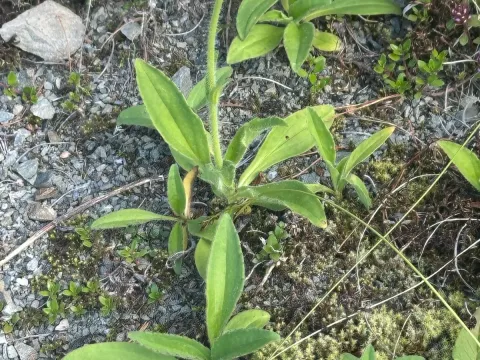
Unalaska arnica
Arnica unalaschcensis
Unalaska arnica is a perennial herbaceous plant that is typically propagated through seeds or division of rhizomes. In agricultural settings, seeds are best sown in late autumn for winter stratification, which is essential to achieve a high germination rate for the spring season.
What the section contains
Unalaska arnica
When sowing in the spring, seeds require a cold pretreatment period of 30 to 45 days to break dormancy. They should be planted at a shallow depth of approximately 0.5 to 1 centimeter into a fine, well-draining, and nutrient-rich soil medium.
Seedlings develop slowly during the initial stages, necessitating consistent soil moisture to prevent dehydration. During the first year, the plant focuses on establishing a vegetative rosette, which serves as the foundation for future flowering stalks.
Standard field planting patterns typically suggest row spacings of 45 to 60 centimeters. This distance provides adequate light penetration and allows for easier mechanical or manual maintenance of the growing beds throughout the season.
The plant exhibits excellent hardiness, making it suitable for cultivation in northern or high-altitude regions. It is crucial to select a site that avoids low-lying areas where water accumulation might lead to root damage during the dormant or growth stages.
Successful production of Arnica unalaschcensis requires well-drained soils that are moderately fertile and rich in organic matter. The species thrives in slightly acidic to neutral soil environments and should be kept away from heavy, waterlogged clay textures.
As a heliophilic plant, it demands full exposure to sunlight. Inadequate light levels can result in poor development, elongated stems, and a significant decrease in the accumulation of secondary metabolites, which are vital for its medicinal properties.
Moderate temperatures are ideal for this crop, as it does not perform well under prolonged heat waves or extreme drought conditions. Regular irrigation is necessary, particularly during the critical phases of bud initiation and flower development.
Cultural practices involve frequent shallow cultivation between rows to ensure proper soil aeration. Applying organic mulch can help regulate soil temperature and minimize weed competition, allowing the plants to thrive without excess nutrient stress.
Soil preparation should involve the incorporation of compost or balanced fertilizers, taking care to avoid excessive nitrogen, which can lead to rapid but structurally weak vegetative growth. Proper nutrient management is essential for long-term plant health.
The yield of Unalaska arnica is highly dependent on environmental conditions and the maturity of the plantation. The primary harvest consists of the flower heads, which are typically collected starting from the second or third year of cultivation.
Yields can range between 3 to 7 quintals per hectare of dried flower material, depending on plant density and the quality of agricultural management. Harvesting is conducted in stages to ensure that only fully developed, healthy flower heads are collected.
A single plantation remains economically productive for approximately 4 to 6 years. Beyond this timeframe, the decline in flower production typically necessitates the renewal of the site or the clearing of the beds for crop rotation.
While mechanical harvesting is feasible, hand-picking is often preferred to ensure product quality and avoid contamination by non-target plant matter. Rapid drying at temperatures not exceeding 40 degrees Celsius is vital for preserving bioactive components.
Storage must be carried out in sealed, light-protected containers in a cool, dry area. Maintaining strict post-harvest protocols prevents the loss of essential oils and ensures that the final product meets pharmaceutical standards.
The most significant threat to Unalaska arnica is fungal infection, which is often promoted by high humidity and poor airflow. Powdery mildew is a common concern that affects foliage, reducing the photosynthetic capacity of the plant.
Root rot is another serious issue, frequently occurring in sites with improper drainage. Implementing a rigorous crop rotation schedule and applying preventative bio-fungicides can mitigate the risk of losing the entire crop during wet seasons.
Pests such as aphids and spider mites can cause damage by feeding on young foliage and stems. Integrated pest management strategies, utilizing beneficial insects or targeted biopesticides, are recommended to control population outbreaks without harming the plant.
Gastropods, including slugs, may damage young rosettes during rainy spring periods. Installing mechanical barriers or keeping the surrounding area free of debris helps to limit these impacts on the early growth stages.
Regular scouting of the plantation is fundamental to early detection of disease or pest activity. By maintaining a clean and healthy growing environment, farmers can ensure robust growth and consistent quality of the harvested botanical material.