
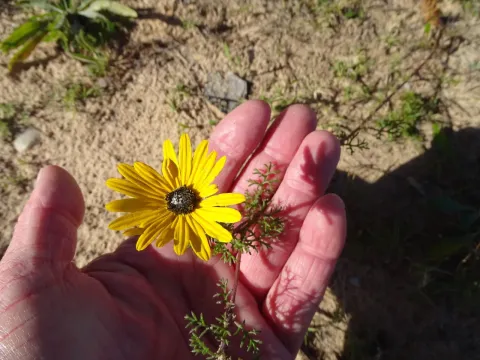
Ursinia chrysanthemoides
Ursinia chrysanthemoides
Sowing seeds of Ursinia chrysanthemoides in open ground is primarily carried out in late April or early May when the soil has warmed up sufficiently. For earlier flowering, a seedling method is recommended, with sowing performed in protected ground during March.
What the section contains
Ursinia chrysanthemoides
Seeds should be sown at a depth of no more than 0.5–1 cm, keeping a distance of about 20–25 cm between plants to ensure proper development of the root system. It is important to avoid overcrowding to prevent fungal infections caused by high humidity.
The crop is characterized by rapid growth rates at optimal germination temperatures (around +18 to +20 degrees Celsius). After the emergence of seedlings, it is recommended to maintain moderate humidity and gradually harden the plants before transplanting them to their permanent location.
When choosing a site, preference should be given to well-lit areas, as the crop is highly demanding of sunlight for the full opening of its inflorescences. A lack of direct sunlight leads to stretched stems and weak flowering.
Seeds can retain viability for up to 2–3 years if stored properly in a dry and cool place. Sowing in open ground is also possible before winter in southern regions with a mild climate.
Ursinia chrysanthemoides belongs to the Asteraceae family and originates from South Africa. The plant prefers light, well-drained sandy or sandy loam soils with a neutral or slightly acidic reaction.
The crop is extremely sensitive to excessive soil moisture, and waterlogging is destructive to its root system. The soil substrate must be permeable to both water and air, which promotes active gas exchange in the root zone.
Climatic requirements include the need for sufficient solar heat and protection from strong cold winds. The plant can withstand short periods of drought, but its decorative quality decreases significantly during prolonged lack of irrigation.
During the growing season, the plant responds well to moderate fertilization with complex mineral fertilizers, especially during the budding phase. An excess of nitrogen fertilizers can lead to increased foliage growth at the expense of flowering.
The temperature regime during the active growth period should vary from +20 to +25 degrees Celsius. If nighttime temperatures drop to critical levels, the plant may stop growing or become susceptible to pathogenic microorganisms.
The main threat to Ursinia is fungal diseases, which develop due to waterlogged soil or stagnant air. Among the most frequent problems are root rots caused by incorrect irrigation practices.
Powdery mildew can affect the leaf blades during sudden fluctuations in air humidity and temperature. To prevent this, it is necessary to maintain an appropriate agrotechnical distance between plants and timely remove affected parts.
Pests, such as aphids, can settle on delicate stems and inflorescences during the active growth period. Regular inspection of plants and the use of biological insecticides allow for effective control of insect populations without harming the ecosystem.
Nematodes sometimes affect the root system in heavy, dense soils, leading to slowed plant development. It is recommended to perform pre-sowing soil disinfection and practice crop rotation to prevent the accumulation of parasites.
In case of the first signs of infection, irrigation should be immediately restricted, and treatment with systemic fungicides should be applied according to instructions. Prevention remains the primary method for protecting this crop.