
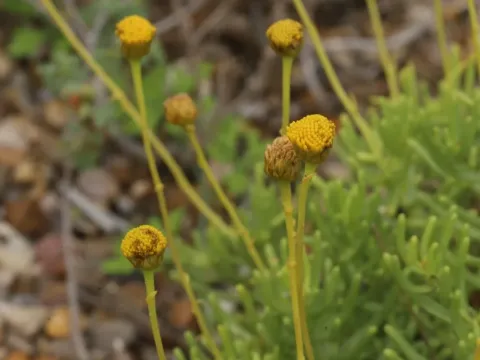
Varilla
Varilla
Varilla, as a member of the Asteraceae family, is typically propagated via seeds. In their natural habitat, these plants disperse seeds during the late season, allowing them to germinate with the onset of favorable moisture levels in the spring.
What the section contains


Varilla
For agricultural purposes, seeds should be sown in well-drained, sandy-loam soil. The optimal depth is shallow, around 1 cm, ensuring that light is accessible, which often acts as a trigger for germination in many desert-adapted species.
Germination requires consistent but moderate soil moisture. Once seedlings reach the stage of true leaves, irrigation should be gradually reduced to encourage the development of a deep, drought-tolerant root system.
Spacing is crucial for the development of mature plants to ensure adequate airflow. High planting density should be avoided, as stagnant air increases the likelihood of fungal issues, particularly in the humid microclimates of the canopy.
Hardening off seedlings before transplanting is recommended if they have been started in controlled nursery conditions. This process helps the plant adapt to the intense solar radiation and arid conditions characteristic of their preferred environment.
The genus Varilla includes specialized plants adapted to arid and semi-arid regions of North America. They thrive in environments where other crops might struggle due to high salinity or limited water availability.
Full sun is a primary requirement for Varilla. The plants possess physiological adaptations for high-intensity light, and lack of direct sunlight will lead to spindly growth and reduced overall vigor in the plants.
The soil should have excellent drainage properties. While these plants are resilient, they are highly sensitive to waterlogged conditions, which can lead to rapid decay of the crown and roots.
Temperature tolerance is a hallmark of this genus. Varilla is capable of handling significant diurnal temperature shifts, typical of desert climates, and maintains metabolic function even under heat stress.
Soil chemistry should ideally mimic their native alkaline environment. While they are not overly demanding of nutrient-rich fertilizers, providing organic amendments sparingly can assist in establishing young plants in poor soils.
The primary threats to Varilla involve fungal pathogens such as Pythium and Rhizoctonia, which target the root system when soil moisture is poorly managed. Proper drainage is the most effective preventative measure.
Pests such as aphids and spider mites can occasionally affect the foliage, particularly if plants are grown in confined, poorly ventilated areas. Regular monitoring of the underside of leaves is recommended.
Root-knot nematodes can cause significant damage in infested soils, leading to stunted development. Implementing a rigorous crop rotation schedule or soil solarization can mitigate these risks effectively.
Powdery mildew may occur during periods of high atmospheric humidity combined with stagnant air. Management involves improving air circulation and utilizing sulfur-based fungicides if the infestation reaches critical thresholds.
Wildlife and herbivores are secondary threats that may graze on tender new growth. Providing physical barriers or protective cages during the establishment phase is standard practice to ensure survival.