
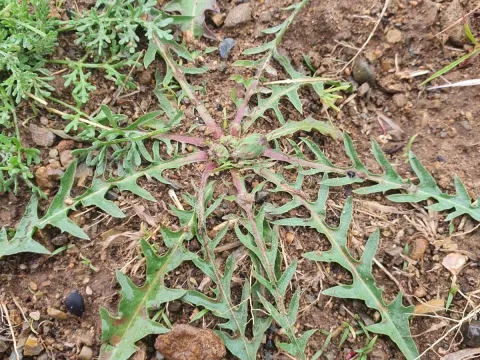
Mongolian dandelion
Taraxacum mongolicum
Mongolian dandelion (Taraxacum mongolicum) is a perennial herbaceous plant belonging to the Asteraceae family. For successful field establishment, it is essential to use high-quality seeds that have undergone stratification to ensure uniform germination across the field.
What the section contains
Mongolian dandelion
The sowing season typically occurs in early spring, as soon as the soil reaches a temperature of 5–8 degrees Celsius. Alternatively, autumn sowing is possible in regions with mild winters, allowing the seeds to germinate early in the spring by utilizing moisture from melting snow.
The seeding rate ranges from 2 to 4 kilograms per hectare, depending on soil preparation and the intended density of the plantation. Seeds should be sown at a shallow depth of 1–1.5 centimeters to ensure they receive sufficient light for germination while maintaining necessary contact with soil moisture.
A row spacing of 45–60 centimeters is recommended for large-scale operations to facilitate mechanical weeding and soil aeration. Since the plant has a slow initial growth rate, keeping the rows free from competing weeds during the first months is vital for the development of healthy rosettes.
The plant undergoes significant development during its second year, when the taproot begins to grow in thickness and the leaf rosette expands. During this phase, the plant establishes a robust root system capable of accumulating a high concentration of beneficial compounds.
Mongolian dandelion thrives best in loose, deep, loamy soils with a neutral or slightly acidic pH. Poorly drained or heavy clay soils should be avoided as they significantly increase the risk of root rot and degrade the quality of the harvested medicinal material.
As a sun-loving species, this crop requires optimal exposure to sunlight throughout the growing season. Adequate light levels are crucial for the synthesis of bioactive compounds within the roots, which dictates the market value of the dried product.
Water management is critical; while the plants require consistent moisture for growth, they are highly sensitive to waterlogging. Implementing a controlled irrigation system that maintains consistent soil moisture without saturating the roots is a best practice for commercial farming.
The species exhibits excellent winter hardiness, making it suitable for cultivation in various temperate climates. However, in regions where snow cover is absent during severe cold spells, protective measures may be necessary to prevent frost damage to the roots.
Fertilization should be based on soil nutrient testing, with an emphasis on potassium and phosphorus to support strong root development. Nitrogen application should be limited to the early spring period to prevent excessive leafy growth that may come at the expense of root quality.
The yield of Mongolian dandelion depends heavily on the age of the plantation and the specific agricultural practices employed. The highest dry root mass is typically achieved by the second or third year, marking the optimal time for harvesting.
A well-managed crop can produce between 1.5 and 3 metric tons of dried roots per hectare. The exact yield is influenced by plant spacing, soil fertility, and the efficiency of the weed management program implemented during the establishment phase.
Managing the density of plants is crucial; too much competition within the row will lead to smaller, stunted roots, significantly reducing the economic return per hectare. Thinning may be required if the seedling emergence is too dense.
Ongoing monitoring of plant health and root development is essential throughout the growth cycle to make informed decisions about the harvest date. Careful management ensures that the plants reach their peak concentration of active ingredients before the harvest occurs.
Once harvested, the roots undergo a rigorous cleaning and sorting process. High-quality output requires that the roots be free from soil debris and organic contaminants, meeting the strict standards often required by pharmaceutical and botanical companies.
Powdery mildew and various leaf spot diseases are the primary threats to the foliage of Mongolian dandelion. These pathogens thrive in high humidity and stagnant air, making proper spacing and weed control essential preventive measures against widespread infections.
Root rot is a significant concern caused by soil-borne fungi, often triggered by poor drainage or over-irrigation. If detected, infected sections should be isolated, and drainage conditions must be improved to save the rest of the crop from degradation.
Soil-dwelling larvae can cause substantial damage to the taproots, potentially leading to stunted plants or local yield losses. Implementing integrated pest management strategies, such as crop rotation, is necessary to minimize the reliance on chemical pesticides.
Weed competition is the most significant threat during the early seedling stage. Without adequate control, weeds can outcompete the dandelions, leading to a thin, unproductive stand that is difficult to harvest and process economically.
Regular field scouting allows for the early detection of disease and pest outbreaks. A proactive approach, focusing on maintaining soil health and air circulation, is the best defense against major crop damage and economic loss in commercial dandelion farming.
Harvesting usually takes place in the autumn, after the plant has entered its dormant phase and has redistributed its nutritional resources into the root. This timing ensures the highest levels of inulin and other bioactive substances are captured.
Mechanical harvesting is performed using specialized plows or potato-lifting machinery adjusted to the depth of the root system. Precision is key to minimizing mechanical damage to the roots, which can lead to rapid deterioration post-harvest.
Cleaning and washing should occur immediately after lifting the roots from the soil. Efficient removal of dirt prevents microbial growth and maintains the aesthetic quality of the root, which is a key parameter for buyers and processors.
Drying is performed in climate-controlled facilities at temperatures not exceeding 50 degrees Celsius. Excessive heat can degrade the medicinal components, so precise temperature regulation is essential for maintaining the integrity of the herbal сырье.
After reaching the target moisture content, the roots are sorted, packaged, and stored in dry, cool, and well-ventilated conditions. Proper packaging protects the product from moisture uptake and pest infestations, ensuring quality throughout the storage period.