
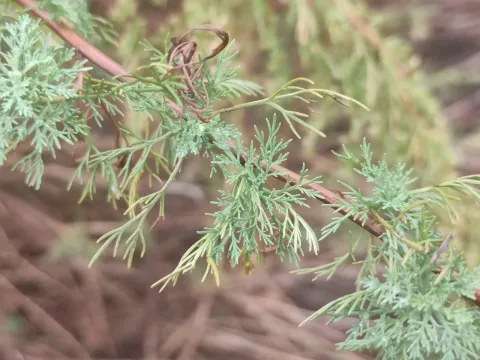
Molinier's wormwood
Artemisia molinieri
Molinier's wormwood (Artemisia molinieri) is a perennial herb belonging to the Asteraceae family. Due to its adaptation to natural cycles, seeds require a period of stratification to break dormancy, making autumn sowing the most effective method for establishment.
What the section contains
Molinier's wormwood
If sowing is planned for spring, seeds should be stratified by keeping them in a cool environment (approximately 2–5 degrees Celsius) for 4 to 6 weeks. Seeds are tiny and should be sown on the surface of well-drained soil, only lightly pressed, to ensure adequate light exposure.
Germination typically occurs when soil temperatures reach 10–12 degrees Celsius. Maintaining proper spacing during sowing is critical, as the plants require significant airflow as they mature to prevent fungal issues and ensure uniform growth.
Growth during the first year is primarily vegetative, with the plant forming a dense rosette of leaves. The development of flowering stalks and the shift to the reproductive phase usually occur starting from the second year of cultivation.
When using seedlings, transfer them to their permanent location once the plants have established two or three pairs of true leaves. Ensure the root system remains intact during transplantation to minimize shock and encourage rapid establishment.
Artemisia molinieri is an endemic species often found in high-altitude or stony terrains, which dictates its specific environmental needs. It thrives in locations with high solar radiation and excellent drainage, as the roots are sensitive to waterlogging.
The ideal soil for this crop is light, sandy, or rocky, with a neutral to slightly alkaline pH. Heavy clay soils are unsuitable, as they retain too much moisture, which can lead to root rot and other phytopathological conditions.
The plant is highly drought-tolerant, making it an excellent choice for marginal land where water availability is limited. However, consistent humidity during the seedling stage is important to ensure successful establishment before the plant becomes fully independent.
Fertilization should be kept to a minimum. Excessive nitrogen promotes aggressive vegetative growth, which can dilute the concentration of essential oils and other secondary metabolites that give the plant its commercial value.
The species is highly resistant to cold and can withstand significant temperature fluctuations, typical of its native mountainous habitats. It is also wind-resistant, provided the soil remains well-drained and the plants are not exposed to stagnant water conditions.
The primary threats to Molinier's wormwood are fungal pathogens, specifically those that thrive in stagnant air or humid environments. Root rot and powdery mildew are the most common issues that can affect productivity.
Pests such as wireworms and various larvae that feed on roots can be problematic for young plantations. During the blooming phase, aphids may infest the flowering stalks, draining vital nutrients and potentially spreading plant viruses.
Cultural control, such as regular weeding and maintaining proper row spacing, is the most effective way to prevent disease. A clean, well-ventilated field significantly reduces the risk of humidity-related fungal outbreaks.
Biological pest control is recommended, as synthetic pesticides are often discouraged when the herb is intended for medicinal or culinary uses. Regular field monitoring is essential to catch and remove infected plants before diseases spread.
Sustainable farm management, including crop rotation, helps maintain soil health and reduces the buildup of soil-borne pests. Avoid replanting on the same site for several years to minimize the risk of recurring infestations.
Harvesting is best conducted during the peak flowering stage, as this is when the concentration of essential oils and bioactive compounds is at its highest. The entire aerial part of the plant is usually collected.
The collection should ideally occur on a dry morning after dew has evaporated, using sharp tools to ensure clean cuts. Leaving a portion of the stem helps the plant recover and potentially produce a secondary harvest or return the following year.
Drying must take place in a shaded, well-ventilated area. Direct sunlight should be avoided during the drying process, as it can cause the rapid degradation of essential oils, significantly reducing the quality of the harvested material.
Once dried, the herb should be stored in airtight containers or breathable fabric bags in a cool, dark, and dry place. Proper storage prevents moisture absorption and maintains the aromatic potency of the final product.
Seed collection for future planting should be done as the seed heads mature and turn brownish. Once collected, seeds should be cleaned of plant debris and stored in a cool environment to maintain high germination rates for subsequent seasons.