
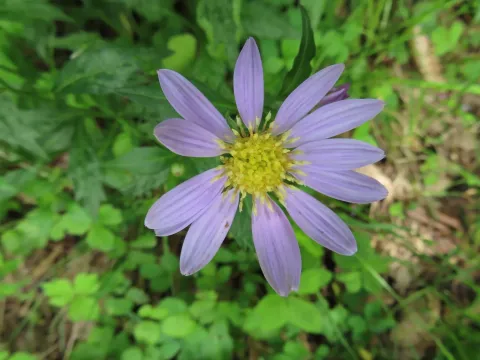
Miyamayomena
Miyamayomena
Miyamayomena, a genus within the Asteraceae family, is a perennial plant typically propagated via seed or vegetative division. For optimal results, seeds should be sown in a greenhouse or indoor environment during late winter to early spring to ensure a robust start before the growing season.
What the section contains


Miyamayomena
When transplanting seedlings into open ground, it is crucial to wait until all danger of frost has passed and the soil has warmed sufficiently. A soil temperature of at least 15 degrees Celsius is generally required to support initial root development and successful establishment.
The recommended planting density is approximately 6–8 plants per square meter. This spacing is essential to ensure adequate airflow, which is a critical factor in preventing moisture buildup and subsequent foliage diseases that can affect the species.
Seeds should be sown at a shallow depth, barely covering them with a thin layer of substrate, as they often require light for germination. Maintaining a stable, moist environment during the initial germination phase is key to achieving high success rates in seedling development.
Once seedlings are established, they should undergo a hardening-off process by gradually exposing them to outdoor conditions over a week. This practice reduces transplant shock and prepares the young plants for the environmental stressors of the field.
Miyamayomena thrives best in locations with full to partial sun exposure. Excessive shade often results in leggy stems and poor flower production, which diminishes the ornamental and structural value of the plant in a landscape setting.
The ideal soil for this crop is a well-draining loam that is rich in organic matter. While the plant can adapt to various conditions, it strongly prefers a neutral to slightly acidic pH and avoids stagnant water, which can quickly lead to root rot.
Watering requirements are moderate; however, consistency is vital. During dry spells, deep watering at the base of the plant is preferred over overhead irrigation to minimize the risk of fungal pathogens colonizing the leaves and stems.
Nutrient management involves applying balanced fertilizers twice per season to support vigorous growth and blooming. Over-fertilization, especially with nitrogen, should be avoided to prevent excessive vegetative growth at the expense of floral development.
In colder regions, providing a protective layer of mulch around the base of the plants before winter can offer significant insulation for the root system. This practice is particularly effective in areas prone to freeze-thaw cycles that can heave plants out of the ground.
The primary diseases affecting Miyamayomena are fungal in nature, such as powdery mildew, which often develops in conditions of poor air circulation and high humidity. Maintaining proper spacing and removing debris are effective non-chemical control methods.
Common pests, including aphids and spider mites, can cause damage by feeding on the nutrient-rich sap of the foliage. Regular scouting of the leaves, especially the undersides, allows for early detection and targeted intervention using biological or conventional controls.
Slugs and snails can pose a challenge in moist environments, particularly during wet seasons. Implementing physical barriers like grit or copper tape around planting beds can effectively deter these mollusks from reaching the tender tissues of the plant.
Crop rotation remains the most sustainable way to manage soil-borne pathogens. By avoiding planting Miyamayomena in the same spot for consecutive years, growers can effectively break the lifecycle of many specific soil pests and diseases.
Sanitation is a critical component of pest management. Clearing away fallen foliage and pruning back dead plant parts at the end of the season reduces the potential for overwintering pests and disease spores to re-emerge the following year.