
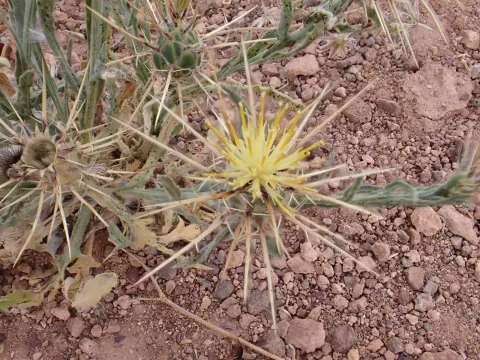
Moroccan cornflower
Centaurea maroccana
The Moroccan cornflower is an annual flowering plant belonging to the Asteraceae family. For optimal results, seeds should be sown directly into open ground in the spring, once the soil has warmed up and the risk of frost has passed.
What the section contains
Moroccan cornflower
The best time for sowing is during April or early May. In regions with milder climates, late autumn sowing is possible, allowing for earlier and more vigorous growth once the spring season begins.
Seeds should be planted at a depth of approximately 1 to 2 centimeters. Sowing too deep can significantly reduce the germination energy and lead to uneven emergence of seedlings across the planting site.
To ensure healthy growth, space the plants about 20–30 centimeters apart. This spacing is crucial for allowing the plants to develop strong root systems and sufficient foliage without excessive competition.
Thinning should be performed once the first set of true leaves appears. Removing overcrowded seedlings prevents stunted growth and helps reduce the humidity levels around the stems, which inhibits disease.
This plant thrives in open, sunny locations with direct sunlight exposure. Growing the Moroccan cornflower in shaded areas results in weak, spindly stems and a significant reduction in the number of blooms.
It prefers light, well-drained loamy or sandy soils with a neutral pH level. Proper drainage is essential, as the plant is highly sensitive to waterlogged conditions, which can quickly lead to root decay.
Moroccan cornflower is remarkably drought-tolerant once established. Supplemental watering is only required during periods of extreme or prolonged drought, and water should be applied at the base to keep foliage dry.
Fertilization is rarely necessary and should be limited to very poor soils. Excessive nitrogen can cause the plant to grow lush, leafy foliage at the expense of its flowers, which is counterproductive for ornamental use.
Regular cultivation of the soil surface between rows helps manage weeds and improves soil aeration. Keeping the soil loose allows for better oxygen absorption by the roots, promoting vigorous plant development.
Fungal diseases are the primary threat, especially in humid conditions or where there is poor air circulation. Powdery mildew is the most common issue, appearing as a white, dusty coating on the leaves.
Pests such as aphids and spider mites can infest the young buds and leaves during hot, dry weather. If a significant infestation occurs, targeted use of insecticides or miticides may be necessary for control.
Root rot is typically associated with poor drainage or overwatering. Maintaining a strict watering schedule and choosing well-draining soil are the best preventative measures against these soil-borne pathogens.
Good sanitation practices, including the prompt removal of infected plant debris, are vital. This limits the spread of spores and pests throughout the garden, especially at the end of the flowering season.
When applying plant protection products, ensure they are compatible with pollinators. Since cornflowers attract bees and butterflies, choosing biological control agents is the most sustainable approach.
The primary use of the Moroccan cornflower is for ornamental purposes, including landscaping and as a cut flower in floral arrangements. Its unique appearance makes it a popular choice for wildflower-style gardens.
If harvesting for bouquets, it is best to cut the flowers early in the morning when the stems are fully hydrated. This ensures the longest possible vase life for the cut flowers after they are brought indoors.
For seed collection, leave the most robust flower heads on the plant until they are completely dry. The seeds are ready to be harvested when the heads darken and begin to open naturally on the stems.
Harvested seeds must be dried thoroughly in a shaded, well-ventilated area before being stored. Keep them in paper envelopes in a cool, dry place to maintain their viability until the following planting season.
To encourage continuous blooming throughout the season, deadhead spent flowers regularly. This practice prevents the plant from setting seeds early and redirects energy into producing new flowering stems.