
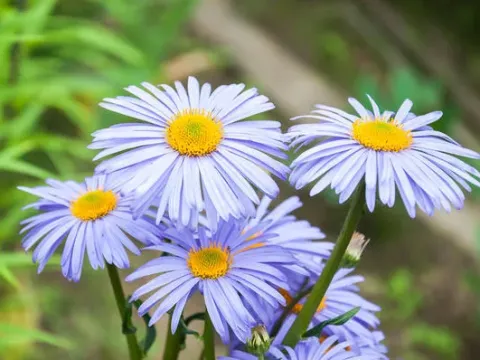
Mongolian aster
Aster mongolicus
Mongolian aster (Aster mongolicus) is a robust perennial belonging to the Asteraceae family. Propagation is primarily achieved through seeds sown in early spring, once the danger of severe frost has completely passed and soil temperature is stable.
What the section contains
Mongolian aster
Seedlings can be started indoors in seed trays filled with a light, well-draining potting mix. Covering seeds with a thin layer of fine soil and maintaining consistent moisture levels is essential for achieving optimal germination rates within two to three weeks.
When sowing directly into the ground, it is recommended to prepare the bed by loosening the topsoil and removing all perennial weeds. Rows should be spaced 40 to 50 centimeters apart to accommodate the mature width of the plants.
Division of the root clump is another highly effective method of multiplying this crop. It is best performed in the spring just as new shoots emerge, which ensures the plant has sufficient energy to establish itself before the summer heat.
Strategic thinning of seedlings is necessary to ensure each plant receives enough sunlight and air circulation. Proper spacing prevents the microclimate around the foliage from becoming too humid, which is vital for disease prevention.
This species thrives in locations with full sun exposure, although it can tolerate light partial shade in extremely hot climates. It requires a fertile, well-drained soil structure that retains moisture without becoming waterlogged.
The optimal soil pH range for Mongolian aster is neutral to slightly alkaline. Incorporating compost or well-rotted manure during site preparation helps enrich the soil and provides a slow-release nutrient base for the growing season.
Watering requirements are moderate; the soil should be kept consistently moist but never saturated. During periods of drought, supplemental irrigation is needed to maintain flower quality and overall plant vigor.
Fertilization with a balanced NPK fertilizer in the early spring encourages vigorous growth. As the season progresses, reducing nitrogen and increasing potassium helps strengthen stems and enhances the brightness of the floral display.
Regular maintenance, including the removal of dead foliage at the end of the season, supports plant health. Keeping the planting area clear of debris reduces the chances of overwintering pests and fungal spores.
Powdery mildew is a common challenge for Aster mongolicus, appearing as a white, dusty layer on leaves during humid periods. Improving airflow by pruning and thinning dense patches is the primary cultural control method.
Aphids and spider mites are typical pests that can infest the plant, causing leaf discoloration and stunted growth. Regularly inspecting the undersides of leaves and using horticultural soaps can effectively manage these populations.
Root rot, often caused by poor soil drainage, can kill the plants quickly. If heavy soils are present, it is advised to amend them with organic matter or sand to improve permeability and prevent water retention.
Fungal leaf spots may occur in wet, cool summers. Fungicidal applications are recommended only when symptoms become severe, as maintaining general plant vitality is usually sufficient to withstand minor infections.
Integrated pest management, including attracting beneficial insects to the garden, is the best strategy for long-term health. Avoid using broad-spectrum pesticides that might harm pollinators necessary for the ecosystem.