
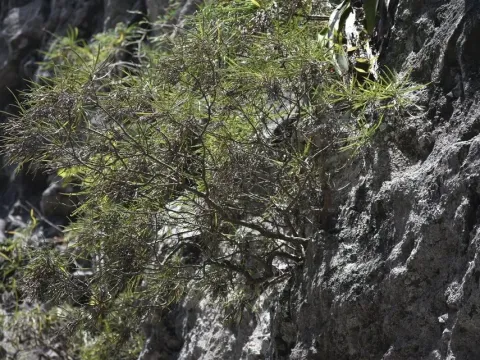
Monarrhenus
Monarrhenus
Monarrhenus is a genus of perennial herbaceous plants belonging to the Poaceae family. This rare plant is an endemic species of the Mascarene Islands, specifically Mauritius, where it thrives in unique tropical environmental conditions.
What the section contains
Monarrhenus
The culture exhibits high adaptability to coastal areas, where soils are often subject to salinity and exposure to strong sea winds. The plant prefers well-drained, loose substrates typical of the volcanic soils found in its native region.
In its natural habitat, Monarrhenus requires consistently high temperatures throughout the year and moderate moisture levels. While not a widely grown crop, its biological potential allows it to survive in conditions characterized by limited nitrogen availability.
Successful growth of this plant depends on the intensive sunlight typical of the open spaces of tropical islands. In cultivation, maintaining a balance of soil moisture is critical, as waterlogging can lead to the development of root rot and suppress the plant's vital functions.
Given its endemic status, the cultivation of Monarrhenus is restricted and primarily aimed at biodiversity conservation. Agrotechnically, the plant demonstrates significant resistance to drought, which is a common occurrence during the dry seasons in the Mascarene region.
The primary threats to Monarrhenus populations are invasive plant species that compete for resources and displace it from its ecological niches. Ecosystem degradation has led to a noticeable reduction in the range of this rare grass.
Fungal diseases are among the most significant phytopathogens affecting this family, especially in environments with high humidity. Preventive measures involve ensuring proper air circulation around the plants.
Local pests include specific tropical insects that target the foliage of the plant. The application of insecticides requires careful handling to avoid disturbing the fragile balance of the surrounding ecosystem.
Anthropogenic pressure remains a major threat, as grazing activities and land-use changes significantly reduce the natural density of Monarrhenus stands.
Protecting the culture requires regular monitoring of the soil to prevent the proliferation of nematodes, which can parasitize the root system, particularly in nursery settings.