
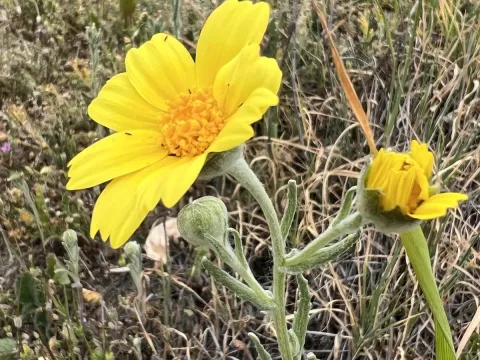
Monolopia
Monolopia
Monolopia seeds are typically sown directly into the soil in early spring once the risk of frost has passed and soil temperatures have warmed sufficiently.
What the section contains

Monolopia
The seeds should be planted at a shallow depth of approximately 0.5 to 1 centimeter, as they require a certain amount of light to germinate effectively.
Row spacing should be maintained at about 20 to 30 centimeters to allow for optimal airflow and prevent overcrowding, which can hinder plant development.
In regions with shorter growing seasons, starting seeds indoors in nursery trays 4 to 6 weeks before the final frost date can significantly improve success rates.
Consistent moisture must be maintained in the seedbed throughout the germination period, which generally spans from ten to fourteen days depending on weather.
Monolopia is a genus belonging to the Asteraceae family, native to the western regions of North America, particularly California, where it thrives in open meadows.
This crop requires full sun exposure and performs best in well-draining, sandy or loamy soils that prevent water from accumulating around the root system.
While the plant is drought-tolerant once established, it requires regular irrigation during the initial stages of growth to ensure a robust root structure.
Soil pH should ideally be neutral to slightly alkaline, as highly acidic soils can negatively impact the plant's nutrient uptake and overall vigor.
Given its native Mediterranean-type climate origin, the crop is well-adapted to conditions with cool, wet winters and warm, dry summers.
The primary threats to Monolopia cultivation are fungal pathogens that flourish in overly moist conditions or where poor soil drainage is present.
Powdery mildew represents a significant risk during high humidity periods, often manifesting as a white fungal growth on the upper surfaces of the leaves.
Aphids and spider mites are common pests that target the young, tender parts of the plant, often leading to stunted growth if left unmanaged.
To mitigate the impact of these threats, producers should prioritize clean site preparation and avoid overhead watering that keeps foliage wet for too long.
- Use systemic fungicides for severe fungal outbreaks.
- Employ integrated pest management to control insect populations.
- Maintain proper plant spacing to improve ventilation.