
Monosis
Monosis
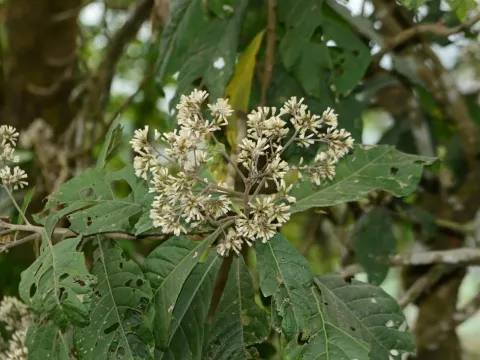
The genus Monosis belongs to the Asteraceae family and encompasses various plant species adapted to tropical and subtropical environments, recognized for their specific ecological requirements.
What the section contains
Monosis
Successful cultivation requires well-drained, nutrient-rich soils with a balanced pH level. These plants thrive in conditions where moisture is consistent but soil aeration remains high.
Climate adaptability is a critical factor for Monosis, as the plants perform best in regions with warm temperatures and minimal risk of severe frost during the growing season.
Site selection should prioritize areas with full sun exposure, although some species can tolerate partial shade if the thermal conditions remain optimal for metabolic activity.
Effective agronomic management includes monitoring soil fertility and applying organic matter to enhance soil structure and support the vigorous vegetative growth of the crop.
Harvesting strategies for Monosis depend on the specific parts of the plant intended for use, typically involving the collection of aerial biomass during the peak growth phase.
Standard agricultural practices recommend cutting the plants at the appropriate maturity stage to maximize the yield of essential compounds or nutrient content.
Post-harvest handling is vital; it involves immediate drying under controlled conditions to stabilize the plant material and prevent degradation of its quality.
Efficiency in harvesting is increased through the use of specialized tools that ensure clean cuts and minimize damage to the remaining plant structure, especially in perennial variants.
Storage facilities should maintain low humidity levels to preserve the integrity of the harvested product and prevent the proliferation of pathogenic fungi or bacteria.