
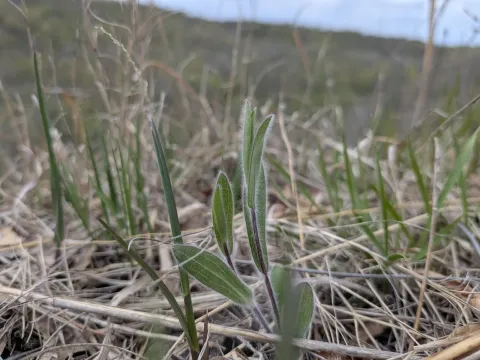
Western silver aster
Symphyotrichum sericeum
Sowing seeds of the Western silver aster is most effective when done in the fall, allowing the seeds to undergo natural winter stratification, which significantly improves spring germination rates.
What the section contains
Western silver aster
For those starting indoors, a cold stratification period of at least 60 days in a refrigerator is required to break seed dormancy and ensure successful seedling emergence in spring.
When planting, avoid burying the seeds deeply; they should be lightly pressed onto the soil surface, as they require exposure to light to initiate the biological germination process.
Division of mature clumps is best achieved during the dormant season, specifically early spring or late autumn, ensuring that each new segment has a healthy portion of roots attached.
Space the plants approximately 15 to 18 inches apart to ensure adequate airflow and prevent overcrowding, which is essential for maintaining the health of this slow-growing perennial.
As a member of the Asteraceae family, the Western silver aster demands full sun exposure to thrive, as shade significantly diminishes its growth rate and flowering potential.
This species is well-adapted to poor, rocky, or sandy soil types, reflecting its natural habitat in dry prairies, where it flourishes despite limited nutrient availability.
The plant exhibits exceptional drought tolerance, aided by its characteristic silvery hairs that reduce water loss and protect the foliage from high-intensity solar radiation.
Proper drainage is the most critical soil requirement; the Western silver aster will not survive in heavy, waterlogged clay soils that retain moisture for extended periods.
It is a highly hardy species capable of withstanding the harsh temperature fluctuations of its native North American climate, making it an excellent candidate for low-maintenance landscaping.
Powdery mildew is the most frequent fungal issue, particularly in environments with high humidity or poor air circulation, manifesting as a greyish-white film on the leaves.
Root rot, often caused by overwatering or soil with poor drainage properties, remains a significant threat that can lead to the rapid decline of the entire plant population.
Insect pests such as aphids and spider mites may occasionally colonize the soft tips of young shoots, potentially damaging the aesthetic quality of the plant.
Maintaining a clean growing area and removing dead plant debris around the base of the plant in late winter helps to prevent the overwintering of pests and fungal spores.
Integrated pest management strategies, focusing on physical barriers and periodic monitoring, are generally sufficient to manage threats without relying on heavy chemical applications.