
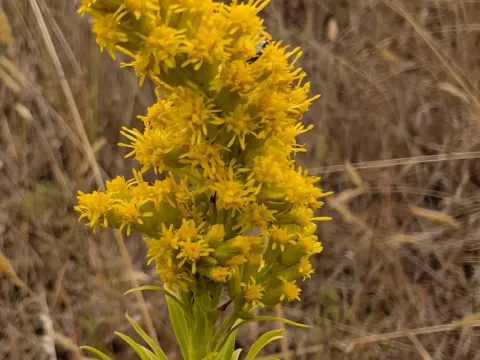
Western goldenrod
Solidago lepida
Seeds of Solidago lepida are best sown in late autumn to allow for natural cold stratification, which significantly improves the germination rate in the following spring.
What the section contains
Western goldenrod
If starting indoors, seeds should be sown in trays during early spring, kept in a well-lit area, and maintained at a temperature range of 18 to 20 degrees Celsius.
The seeds require surface sowing as they need light to germinate; pressing them gently into the substrate without covering is essential for successful seedling emergence.
Seedlings should be transplanted into individual pots once they develop their first set of true leaves, allowing the root system to strengthen before moving outdoors.
Transplanting to the field is performed after the last frost date, ensuring that young plants are spaced properly to accommodate their natural spreading habit.
This species thrives in full sun exposure, although it displays remarkable adaptability by growing well in partial shade environments without significant loss of vitality.
It prefers well-drained soil with a neutral to slightly acidic pH, although it can tolerate various soil types, including those with moderate nutrient content.
Consistent moisture is key during the establishment phase, but the plant is known for its ability to handle periods of drought once the root system is well-developed.
As a hardy perennial, Solidago lepida can withstand diverse climatic conditions, including cold winters, without requiring extra protective measures in most regions.
Annual fertilization with a balanced mix during early spring helps maintain vigorous growth and encourages the production of dense, vibrant flower clusters.
Powdery mildew is the primary threat to this crop, particularly in dense plantings where airflow is restricted and humidity levels remain consistently high.
Managing spacing between plants is crucial to ensure adequate ventilation, which significantly reduces the risk of fungal outbreaks within the goldenrod field.
Aphids and various plant bugs may attack the young stems and foliage, causing localized damage that can weaken the plant if left untreated during the growing season.
Integrated pest management strategies, including the use of neem oil or targeted insecticides, should be employed to mitigate damage from common insect pests.
Keeping the area clear of debris and competitive weeds helps maintain a healthy growing environment and limits the habitats available for potential pathogens.
For floral use, harvesting should take place when the flowers are approximately three-quarters open to ensure the longevity of the blooms after being cut.
Stems must be hung upside down in a cool, dry, and dark location to preserve the color and structural integrity of the flowers during the drying process.
At the end of the season, after the flowers have faded, the entire plant should be cut back to the ground to redirect energy into the perennial rootstock.
If seed harvesting is intended, allow the flower heads to mature fully until they dry out naturally on the stalk before cutting them for collection and cleaning.
Post-harvest cleanup is vital; removing all plant debris from the site minimizes the risk of overwintering pests and diseases that could affect future crops.