
White crownbeard
Verbesina virginica
Description
Sowing dates
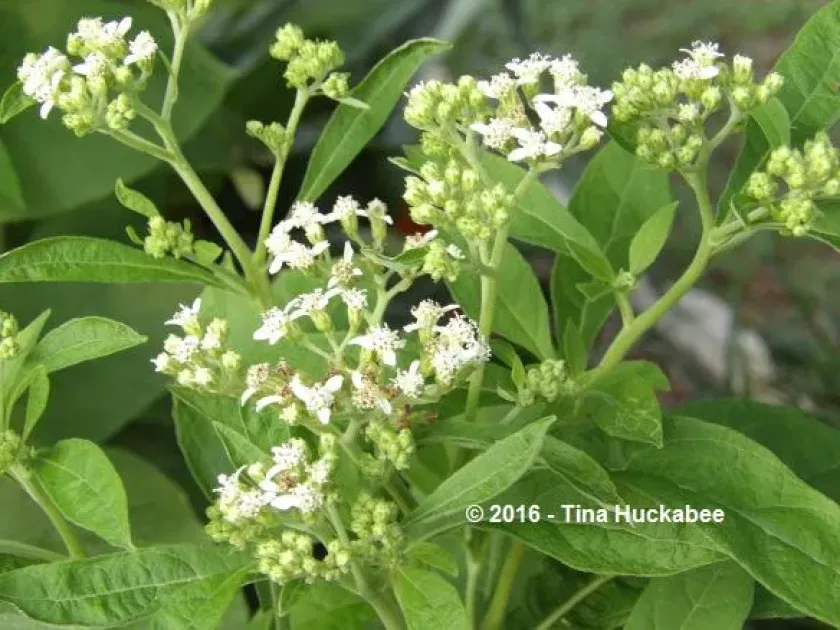
White crownbeard (Verbesina virginica) belongs to the Asteraceae family. In its natural habitat, it propagates primarily through seeds that mature in late autumn.
For cultivation, it is recommended to sow seeds in late autumn or early winter, as they require a stratification period for successful spring germination. Alternatively, for spring sowing, seeds should be cold-stratified for 30–60 days.
The optimal sowing depth is 0.5–1 cm in warm, moist, and well-drained soil. If starting indoors, sowing should begin in late March to allow for transplanting after the danger of frost has passed.
The plant has a high potential for self-seeding, making it necessary to monitor planting density in managed areas. In its first year, it typically forms a basal rosette of leaves, reaching flowering maturity in the second or third year.
A recommended density for landscaping or ecological corridors is 4–6 plants per square meter to ensure adequate airflow and prevent overcrowding.
Growing requirements
This culture prefers partial shade to full sun with rich, moist, yet well-drained soil. It adapts well to various soil types, including heavy clay and limestone-rich soils, making it quite versatile.
Once established, the plant shows strong drought tolerance, although regular watering during peak summer heat is essential for maintaining its aesthetic appeal and promoting heavy flowering.
Verbesina virginica thrives in regions with temperate climates. While it can handle occasional light frosts, it may require protection or mulching in northern regions where winter temperatures reach extreme lows.
Proper site selection is important to avoid strong winds, which can cause the tall stalks to lodge. Applying organic mulch around the root zone helps retain soil moisture and suppresses weed competition.
Regular fertilization with phosphorus and potassium-based fertilizers enhances floral production and strengthens the root system for winter survival.
Main diseases and pests
White crownbeard is generally resilient, but excessive soil moisture can lead to fungal diseases like powdery mildew or various root rot pathogens.
Common pests include aphids, which may cluster on young flower heads. Biological insecticides are recommended for control if populations exceed the damage threshold.
Occasional damage from leaf-eating insects may occur, but it rarely poses a significant threat to the plant's overall health. Good site sanitation and aeration are the best preventative measures.
Stagnant water near the roots is a major risk factor, highlighting the importance of site drainage to keep the root system healthy and resistant to soil-borne diseases.
In case of severe disease outbreaks, it is advised to prune and dispose of infected plant tissues and apply appropriate fungicides in accordance with local safety regulations.