
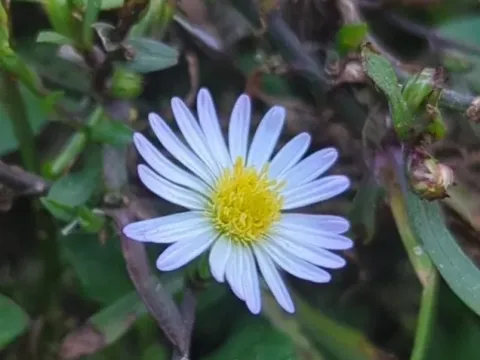
Symphyotrichum divaricatum
Symphyotrichum divaricatum
Sowing Symphyotrichum divaricatum seeds is most effective when done in late autumn, allowing the seeds to undergo natural stratification throughout the winter. This process is crucial for breaking dormancy and ensuring uniform germination in early spring.
What the section contains
Symphyotrichum divaricatum
For greenhouse or container cultivation, sow the seeds in a moist, sandy-based seed compost. Maintain an ambient temperature of approximately 18–20 degrees Celsius. Keep the surface lightly covered, as some seeds require minimal light to trigger growth.
Once seedlings have developed their second set of true leaves, they should be pricked out into individual pots. This practice encourages robust root development and minimizes transplant shock when moving plants to their permanent location.
Spacing is a vital consideration during the final planting phase. Place the young plants at least 45 cm apart to facilitate proper air circulation, which is a key factor in preventing moisture-related plant diseases.
Direct seeding in early spring is also possible, provided the seeds have been cold-stratified in a refrigerator for at least a month prior to sowing. Ensure the soil is fine-textured to accommodate the small seed size.
Symphyotrichum divaricatum thrives in full sun, where its stems remain sturdy and its flowering potential is maximized. While it can tolerate partial shade, insufficient light often results in elongated, weak stems that require mechanical support.
Well-drained, fertile soil is ideal for this species. It prefers a pH balance ranging from slightly acidic to neutral. Heavy, waterlogged soils must be amended with grit or organic matter to improve aeration and prevent root rot.
Consistent, moderate moisture is required during the active growing season. However, once established, the plants show a degree of drought tolerance. Mulching around the base helps maintain soil temperature and retains essential moisture levels.
Fertilization should be handled with care. A light application of a balanced, slow-release fertilizer in early spring is usually sufficient. Avoid excessive nitrogen, which promotes lush leaf growth at the expense of floral development.
Regular maintenance, including the removal of spent flower heads, can encourage a tidier appearance and occasionally extend the flowering period throughout the late summer and early autumn months.
Powdery mildew is the most prevalent issue for this plant, appearing as a white, dusty film on the leaves. It is often triggered by high humidity and poor airflow. Fungicidal sprays or improved spacing can effectively manage this threat.
Aphids and spider mites are common pests that target the tender succulent growth of the shoot tips. A strong jet of water or the application of insecticidal soap is typically enough to control small infestations before they spread.
Root rot is a major danger in poorly drained environments. Ensuring that the crown of the plant stays dry and that the surrounding soil drains quickly will significantly reduce the risk of fungal pathogens taking hold.
Aster yellows, a phytoplasma-borne disease, can be transmitted by leafhoppers. There is no cure for this disease, so the primary strategy is to eliminate insect vectors and promptly remove and discard any symptomatic plants.
While deer and rabbits generally prefer other garden plants, they may graze on the young foliage of this species if other food sources are scarce. Protective netting or organic repellents can be used to protect young plantings.