
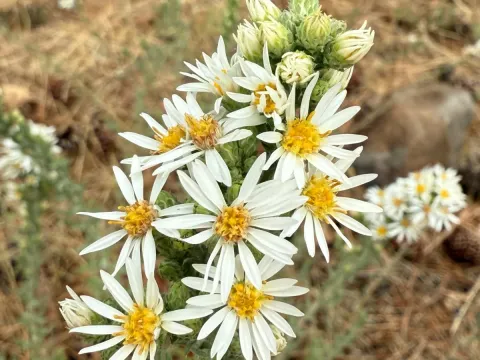
Symphyotrichum falcatum
Symphyotrichum falcatum
Sowing of Symphyotrichum falcatum is best achieved in late autumn or early spring. The seeds require a brief period of cold stratification to ensure uniform germination, which can be performed artificially or naturally by winter exposure.
What the section contains
Symphyotrichum falcatum
When sowing in trays, use a well-draining, sterile potting mix. Surface sowing is recommended, as the seeds require light for optimal germination. Lightly press the seeds into the soil without covering them deeply.
For field cultivation, prepare a fine seedbed free of clods. Proper spacing is essential to minimize disease pressure and ensure sufficient airflow between plants as they mature into dense clumps.
Seedlings should be thinned when they reach a height of 5–8 centimeters. Maintaining proper distance ensures that every plant receives adequate nutrition and sunlight, which is critical for the long-term success of the crop.
Growth in the first season is generally focused on root development, so irrigation management is vital to keep the soil moist during the early establishment phase without causing saturation.
Symphyotrichum falcatum is a hardy perennial belonging to the Asteraceae family. It is native to the plains and arid regions of North America, where it thrives in diverse soil types, including sandy and rocky substrates.
The primary environmental requirement for this species is full sun exposure. It displays exceptional drought tolerance, making it an excellent candidate for regions with limited rainfall or areas where irrigation is restricted.
Soil pH should ideally be neutral or slightly alkaline. The plant does not require high levels of nitrogen fertilization; in fact, overly rich soils can cause the stems to become weak and prone to lodging during wind events.
Maintenance involves periodic weeding, particularly in the spring, to reduce competition for nutrients. Mulching the base of the plant can help retain some soil moisture while suppressing weeds effectively.
Winter dormancy is a key phase for this plant, as it undergoes complete dieback. Proper preparation by cleaning up debris in late autumn helps prevent the overwintering of pathogens that could affect the next growing season.
The plant is generally robust, but it can be susceptible to powdery mildew in high-humidity conditions with poor airflow. Maintaining wide spacing between plants is the best preventive measure against such fungal infections.
Aphids can occasionally target the young, tender growth in the spring. Integrated pest management, such as encouraging beneficial predatory insects, is usually sufficient to keep populations below the economic threshold.
Rust fungi may occur in regions with excessive late-season precipitation. If symptoms appear, removing and destroying infected foliage is necessary to prevent the spores from spreading through the field.
Root rot is rarely an issue unless the soil remains waterlogged for extended periods. Improving field drainage is the most effective way to protect the root crown from decay in prone areas.
Insects like leafhoppers can cause minor damage by feeding on sap. Regular monitoring during the peak of summer is advised to ensure that the infestation does not impact the overall photosynthetic capacity of the plant.
Harvesting for seed production is done in late summer or autumn once the seed heads dry naturally on the stem. This process should occur after the petals have faded to ensure maximum seed maturity.
The inflorescences are gathered by hand or using mechanical trimmers. Drying must occur in a well-ventilated area away from direct sunlight to prevent overheating and premature degradation of the seed quality.
For ornamental or research purposes, stems are cut at the base after the first frost. This cleans the field and facilitates the management of the remaining rootstock for the upcoming winter season.
Seed cleaning involves winnowing to remove the light, chaffy material from the viable seeds. Clean, dry storage in airtight containers ensures the seeds remain viable for several years.
Commercial harvesting is limited, but the biomass can be used for composting, provided that the plants were healthy and free of disease throughout the growing season.