
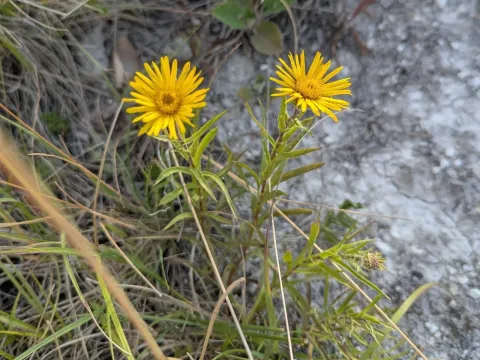
Sword-leaf inula
Inula ensifolia
Inula ensifolia is typically propagated by seeds or division of mature rhizomes. Seeds should be sown in prepared garden beds during autumn or early spring, ensuring they receive a period of cold stratification for better germination.
What the section contains
Sword-leaf inula
When starting indoors, seeds are sown in late winter in shallow containers. They require light to germinate, so they should be covered only lightly with a thin layer of fine soil or vermiculite.
Maintaining a constant temperature of around 20 degrees Celsius is ideal for seedling development. Once the plants reach a size of 5-7 centimeters, they can be hardened off and transplanted outdoors.
Planting in the garden requires a well-drained spot with adequate space between specimens. A spacing of about 30 to 40 centimeters ensures that air can circulate freely around the foliage.
Establishing the plants during their first season is crucial. Adequate watering during the initial weeks will help the root system anchor deeply into the soil before the plant matures.
As a member of the Asteraceae family, the sword-leaf inula thrives in full sun conditions. It is a robust plant that performs exceptionally well in rock gardens or xeriscapes due to its adaptability.
The species prefers well-drained, sandy or loamy soils. It is particularly sensitive to stagnant water, so site selection should prioritize areas where water does not accumulate during the spring thaw.
Inula ensifolia is highly drought-tolerant once established. It rarely requires irrigation, except during prolonged heatwaves or extreme dry spells when the plant shows signs of wilting.
Regular maintenance involves removing spent flowers to encourage a second flush of blooms. The plant typically blooms from mid-summer through early autumn, providing golden color to the landscape.
No complex fertilization regime is needed. A light application of a balanced granular fertilizer in early spring is sufficient to support vigorous growth and brilliant yellow blossoms.
The most common issues for this plant are fungal pathogens resulting from excessive humidity. Root rot is a significant risk if the soil remains waterlogged for extended periods.
Powdery mildew can affect the foliage during humid, still weather. Improving air circulation around the plants is the best way to prevent this common fungal disease from taking hold.
Pests such as aphids and spider mites can occasionally target the tender growth. These are easily managed with insecticidal soaps or neem oil applications when spotted early.
Slugs and snails may attack young plants in spring. Using organic barriers or traps can effectively mitigate damage without the need for harsh synthetic chemicals.
Overall, this plant is considered low-maintenance and resistant to most garden pests. Ensuring proper drainage and sufficient sunlight remains the primary strategy for keeping it healthy.