
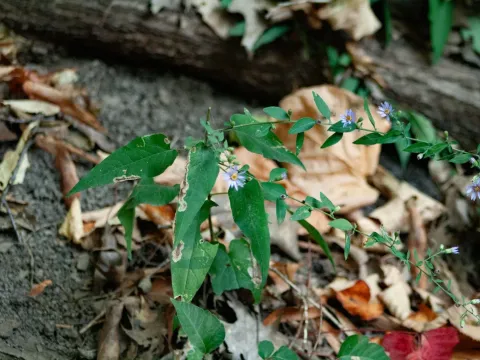
Symphyotrichum shortii
Symphyotrichum shortii
Sowing seeds of Symphyotrichum shortii in temperate climates is typically performed in late autumn, allowing for natural stratification during the winter months. This mimics natural environmental conditions and ensures high germination rates when temperatures rise in spring.
What the section contains
Symphyotrichum shortii
For spring sowing, seeds require cold stratification at temperatures between 0 and +4°C for 30 to 60 days. This process breaks seed dormancy and ensures uniform germination across the crop.
Seeds should be sown in a well-drained, sterile substrate at a shallow depth of approximately 0.5 to 1 cm. Surface sowing is highly recommended as the seeds require ambient light to successfully initiate the germination process.
Starting plants from seedlings in controlled environments allows for more robust growth before field planting. Sowing in containers should begin in late February or early March, utilizing supplemental lighting to prevent etiolation.
Transplanting to the field should occur only after the danger of late frost has passed and the soil has warmed. Maintaining a plant spacing of 40–50 cm is critical to ensure proper air circulation and reduce the incidence of foliar diseases.
Symphyotrichum shortii belongs to the Asteraceae family and is a native perennial of North America. It thrives in sunny environments or partial shade, where the light intensity supports dense flower production during the late blooming season.
The species is adaptable to various soil types but performs best in fertile, loamy soils with a neutral or slightly acidic pH level. Excellent drainage is paramount, as the root system is sensitive to waterlogging, particularly during the dormant winter period.
While adapted to moderate rainfall, consistent irrigation is necessary during the active growth phase and periods of extended drought to maintain plant vigor and visual appeal. Supplemental watering should be applied at the base of the plant.
This perennial is characterized by high winter hardiness, consistent with its origins in central North American prairies and woodlands. Established plants are capable of surviving harsh winters without the need for additional ground protection.
Basic agronomy practices include regular weeding and occasional fertilization. Applying a balanced NPK fertilizer at the beginning of the growing season promotes steady foliage growth and provides the necessary nutrients for late-season flowering.
Fungal diseases are the primary threat to the health of the crop. Powdery mildew is particularly prevalent in environments with high humidity and stagnant air, often occurring during the mid-to-late summer months.
Leaf spot infections can be exacerbated by overhead irrigation techniques. To mitigate this risk, it is advised to employ drip irrigation systems or target the water delivery strictly to the root zone, keeping the foliage dry.
Pests such as aphids and spider mites can attack young succulent growth, especially under heat stress. Integrated pest management, including the use of targeted biological controls or appropriate insecticidal soaps, is recommended when infestations occur.
Root rot remains a major risk if the soil structure is poorly managed. The incorporation of organic matter and sand into heavier clay soils significantly improves aeration and drainage, reducing the prevalence of root-based pathogens.
Nematode infestations can damage the root system, causing stunted growth. Implementing strict crop rotation schedules and ensuring the use of certified, disease-free planting stock are essential strategies for long-term health.