
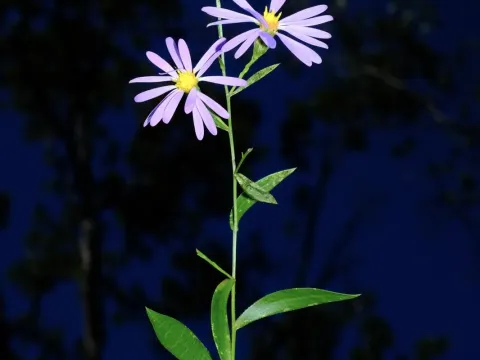
Symphyotrichum turbinellum
Symphyotrichum turbinellum
Symphyotrichum turbinellum, commonly known as prairie aster, can be propagated through seeds or division. Direct sowing is best done in late autumn to allow for natural stratification.
What the section contains
Symphyotrichum turbinellum
For indoor propagation, sow seeds in trays during early spring. Maintain a cool temperature environment to simulate natural conditions, which improves germination rates.
Transplanting seedlings to their final location should occur after the danger of frost has passed. Ensure a spacing of at least 40 centimeters between individual plants.
Division of mature clumps should be performed every few years in early spring. This practice not only multiplies the plants but also revitalizes older, overcrowded stands.
When selecting a site, choose areas with full sun to light partial shade. Proper light exposure is essential for maintaining strong, upright stems and profuse flowering.
As a member of the Asteraceae family, this species is well-adapted to well-drained, average garden soils. It thrives in soils with neutral to slightly alkaline pH levels.
The plant demonstrates excellent drought tolerance once established. However, consistent moisture during the blooming period significantly improves the quality of flowers.
Avoid excessive nitrogen fertilization, as it causes leggy growth and weakens the structure of the plant, making it more susceptible to lodging under strong winds.
Winter maintenance includes mulching around the root zone, especially in regions with fluctuating temperatures, to protect the crown from frost heave.
Regular weeding is necessary in the first year of growth to ensure the plants are not outcompeted by aggressive grasses or other common garden weeds.
Powdery mildew is the most frequent disease, particularly in humid climates with poor air circulation. Thinning out the foliage helps manage this issue effectively.
Rust may appear on the underside of leaves during damp summers. Applying organic-based fungicides or copper sprays can prevent the spread of the infection.
Aphids and spider mites are common pests that target the soft tissue of new growth. Monitor these populations closely and apply insecticidal soap if needed.
Slugs can be a major problem for young shoots during spring. Using copper tape or iron-phosphate pellets can provide an effective barrier against these mollusks.
Maintaining a clean garden environment by removing dead foliage at the end of the season reduces the overwintering potential for many pests and pathogens.
While primarily an ornamental species, stems can be harvested for floral arrangements when flowers are in full bloom for maximum vase life.
After the first killing frost, the entire plant should be cut back to the ground. This prepares the root system for winter dormancy and cleanup.
To save seeds, allow the flower heads to dry on the stem until the pappus becomes fluffy. Harvest the seeds carefully to prevent them from scattering in the wind.
Store harvested seeds in a cool, dry place inside labeled paper bags. Proper storage conditions ensure high viability for the upcoming planting season.
Plant residues should be disposed of responsibly. If disease was present during the season, ensure all garden waste is burned or sent to a municipal compost facility.