
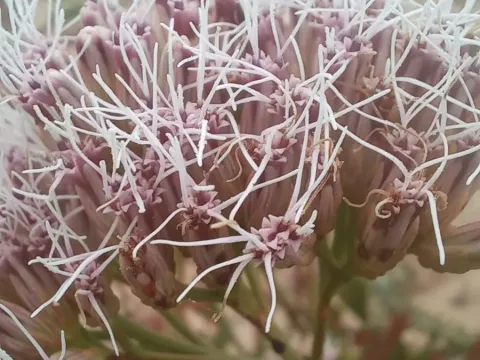
Symphyopappus
Symphyopappus
Symphyopappus is a genus of flowering plants belonging to the Asteraceae family. These plants are native to the tropical and subtropical regions of South America, with a significant concentration found in the diverse landscapes of Brazil, where they thrive in specific forest ecosystems.
What the section contains
Symphyopappus
Botanically, these plants are shrubs or small trees that exhibit the classic morphological traits of the sunflower family. Their leaves are often adapted to retain moisture, reflecting the plant's evolutionary response to the fluctuating environmental conditions of their native habitats.
Successful cultivation of Symphyopappus requires precise soil management. They thrive in well-drained, nutrient-rich soils that mimic the organic matter composition of forest floors. Ensuring that the soil is aerated is crucial for preventing root suffocation and promoting nutrient uptake.
Climate requirements for this genus are strict, as they are non-hardy plants that demand protection from frost. An ideal environment maintains stable temperatures, typically between 18°C and 26°C, alongside consistent air humidity to support healthy physiological processes.
Currently, the economic and practical use of Symphyopappus is primarily directed toward botanical research and specialist ornamental horticulture. Its potential as a commercial crop remains largely unexplored, keeping it within the realm of conservatory and research garden collections.
As a member of the Asteraceae family, Symphyopappus faces common risks associated with greenhouse and nursery production. Root rot pathogens are the most frequent challenge, often triggered by excessive soil moisture and poor drainage systems.
Fungal infections such as powdery mildew can quickly affect the foliage if ventilation is inadequate. The appearance of grayish or white patches significantly hinders the plant's ability to perform photosynthesis, ultimately weakening the entire shrub.
Pests like spider mites and aphids are known to target these plants. Their rapid reproduction in dry indoor air can lead to severe infestations, causing chlorosis, leaf deformation, and a visible decline in the plant's aesthetic value and overall vigor.
Nematode infestations in the root zone are a hidden threat that can impede nutrient transport and stunt growth. Monitoring root health through periodic inspection is an essential practice for any grower managing rare tropical species.
Effective management involves an integrated approach to pest and disease control. This includes using sterilized potting mixes, implementing strict hygiene in the growing area, and employing biological control agents where possible to maintain the plant's health.