
Southern daisy
Bellis sylvestris
Description
Sowing dates
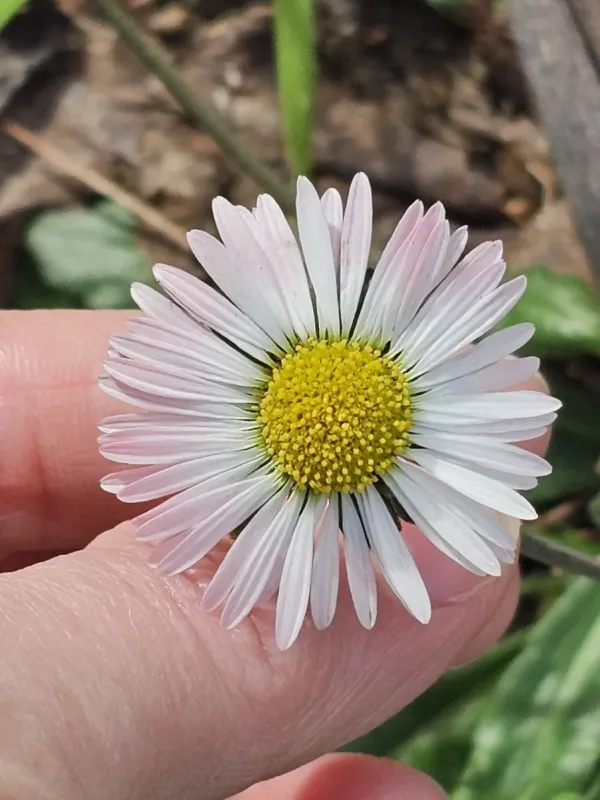
Southern daisy (Bellis sylvestris) belongs to the Asteraceae family and is a resilient perennial herbaceous plant naturally occurring in various meadow habitats.
Propagation is typically performed by seeds sown in late spring once the soil has warmed up, ensuring optimal conditions for germination and early development.
The seeds are exceptionally small, requiring a light covering with soil or sand; they need a degree of light exposure to trigger the germination process effectively.
For gardeners looking for early seasonal blooms, starting the plants indoors in early spring is an effective strategy, transplanting them outside after the frost risk ends.
Plants should be spaced approximately 20 centimeters apart to allow sufficient airflow, preventing the development of humidity-related issues in the dense foliage.
Growing requirements
Bellis sylvestris thrives best in locations with full sun to partial shade, making it a versatile choice for both open borders and woodland-edge garden styles.
The preferred soil type is fertile and well-draining, with a neutral to slightly acidic pH level, which supports healthy root development and sustained nutrient uptake.
Adequate hydration is necessary during the active growing phase, though it is crucial to avoid waterlogged conditions that could endanger the plant's health.
While generally winter-hardy, in climates with harsh freezing conditions, a light layer of mulch acts as an effective shield for the root crowns during dormancy.
Regular fertilization with a balanced mix during the pre-blooming period enhances the vibrancy of the flowers and extends the overall flowering duration significantly.
Main diseases and pests
The primary threats to this species include slugs and snails, which are particularly active in cool, damp weather and can cause significant damage to the leaf rosettes.
Powdery mildew represents a common fungal threat, occurring when plants are overcrowded or when air circulation is compromised by heavy vegetation growth.
Insects like aphids or leafhoppers can act as vectors for viruses, leading to leaf yellowing and distorted growth that weakens the plant's aesthetic appeal.
Integrated pest management is recommended, focusing on maintaining clean garden beds and removing decaying plant debris where pests often find refuge.
Using preventive botanical sprays or wood ash around the base of the plant can serve as an effective deterrent against common creeping garden pests.
Harvesting
The primary use of Bellis sylvestris is ornamental, serving as an excellent component for naturalistic landscape designs, rock gardens, and spring-themed flower beds.
Consistent deadheading is a standard practice to maintain the plant's decorative appearance, as it prevents seed formation and encourages continuous new flowering.
Seed harvesting should be conducted in dry weather once the flower heads have turned brown, followed by proper drying in a shaded area to preserve viability.
Due to its compact growth habit, the Southern daisy is often utilized as a ground cover, providing a lush green base that blooms early in the growing season.
Although not a commercial cut flower, the blooms are occasionally used in small spring arrangements, where they provide a delicate and charming natural touch.