
Wrinkle-leaf goldenrod
Solidago rugosa
Wrinkle-leaf goldenrod (Solidago rugosa) is a perennial herbaceous plant belonging to the Asteraceae family. Originating from North America, this species is naturally adapted to moist habitats, ranging from meadows and thickets to forest edges.
What the section contains
Wrinkle-leaf goldenrod
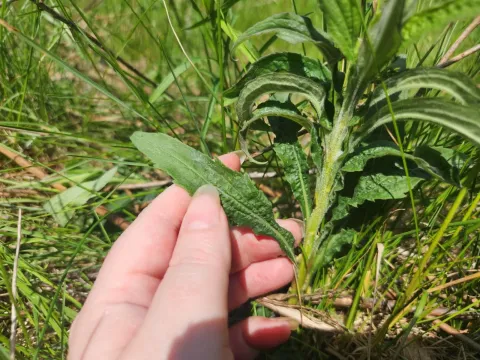
Botanically, the plant is recognized by its sturdy stems and distinctively rugose (wrinkled) leaves. Its robust rhizomatous root system allows for efficient nutrient uptake and rapid spreading, making it a highly resilient and vigorous species under favorable conditions.
For successful agricultural production, Solidago rugosa requires fertile, consistently moist, and well-drained soils. While it tolerates various soil types, rich loamy soil maximizes biomass production. Full sun exposure is preferred to ensure strong stems and prolific flowering.
Agronomic management involves controlling plant density and spatial distribution. Because of its spreading nature, the crop requires adequate spacing to prevent overcrowding. Regular monitoring and, if necessary, physical management of rhizome boundaries are essential practices.
The crop serves various economic purposes, primarily as a high-quality late-season honey source for beekeeping. Furthermore, it is increasingly valued for its ecological benefits in pollinator conservation and its potential as a sustainable biomass source for bio-materials.
Solidago rugosa is generally robust, but powdery mildew can affect the foliage during humid seasons with poor air circulation. Proper row spacing and thinning are recommended to maintain plant health and improve airflow through the canopy.
Aphids occasionally colonize the terminal shoots, especially during the bud development stage. Integrated Pest Management (IPM) strategies, including the use of natural predators or targeted organic sprays, are typically effective in controlling these populations.
Rust fungi may develop on leaves if moisture levels remain excessively high for prolonged periods. Ensuring adequate site drainage and avoiding overhead irrigation during cooler, humid weather significantly reduces the risk of fungal outbreaks.
Root rot is rarely an issue unless the soil remains waterlogged. Establishing the crop in well-drained soil types and maintaining a balanced irrigation schedule is critical for preventing root system compromise.
Mechanical damage during cultivation or harvesting may create entry points for pathogens. Maintaining clean equipment and utilizing proper pruning techniques help minimize these risks and ensure the longevity of the perennial planting.