
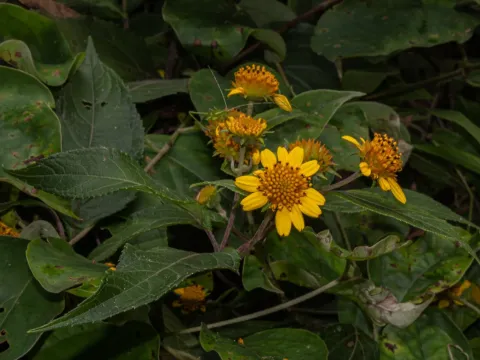
Wulffia
Wulffia
Wulffia is a genus of flowering plants belonging to the Asteraceae family. These plants are native to the tropical regions of Central and South America, where they thrive in moist, warm, and well-lit environments within forest clearings and margins.
What the section contains
Wulffia
Botanically, Wulffia species are often characterized as perennial herbs or semi-shrubs. Their structural morphology includes opposite leaves and distinct flower heads, which typically display vibrant yellow ray florets, functioning as a primary attraction for pollinators.
The cultivation of this plant requires a tropical climate with consistent temperatures and protection from frost or sudden cold snaps. Providing a stable environment is essential for the plant to reach its full vegetative and reproductive potential.
Soil requirements for Wulffia involve a nutrient-rich, well-draining substrate. The plant is sensitive to waterlogged conditions, making it crucial to ensure that the soil medium allows for proper aeration to prevent root rot and promote healthy growth.
Maintenance involves regular monitoring of soil moisture and nutrient levels. Application of balanced organic or synthetic fertilizers during the active growing season significantly improves the overall vigor and blooming performance of the plant.
Common diseases affecting Wulffia are generally linked to fungal pathogens, particularly in environments with poor air circulation. Downy mildew and various forms of root decay are the most significant threats to plant health under improper management.
Pest management is focused on controlling sap-sucking insects such as aphids and spider mites. Effective control measures include physical removal, the introduction of beneficial insects, or the use of targeted horticultural soaps to manage infestations early.