
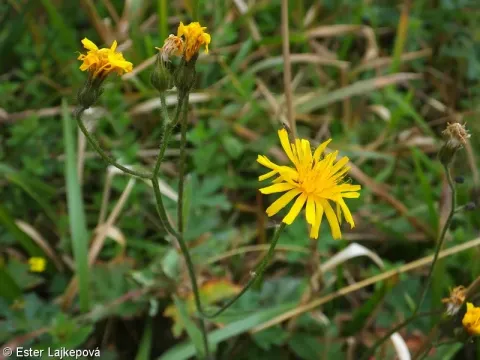
Soft hawk's-beard
Crepis mollis
Soft hawk's-beard (Crepis mollis) is a perennial herbaceous plant belonging to the Asteraceae family. It is recognized as a valuable component of meadow ecosystems and can contribute to the nutritional quality of forage in extensive agricultural systems.
What the section contains
Soft hawk's-beard
The plant thrives in moist, fertile soils, typically preferring loamy or humus-rich conditions. It is commonly found in meadows, forest clearings, and woodland edges where soil drainage is adequate but moisture remains consistent throughout the growing season.
Regarding climatic adaptability, this species is well-suited to temperate climates. It demonstrates high winter hardiness, allowing it to survive frost cycles effectively. However, it requires a balanced climate without extreme heat or prolonged drought periods to maintain optimal growth.
Botanically, it features a characteristic upright stem, usually hairless or sparsely hairy, reaching heights of 30 to 80 centimeters. The leaves are predominantly basal and lanceolate, while the yellow flower heads are arranged in corymbs, adding to the plant's biodiversity value.
Agricultural management for this species focuses on maintaining balanced soil fertility. It responds well to moderate nitrogen applications, although excessive fertilizer can lead to unwanted competition from faster-growing grass species within the same meadow mixture.
The primary diseases affecting Crepis mollis include powdery mildew and various rust fungi. These conditions are often exacerbated by poor air circulation and high humidity levels in dense meadow stands, necessitating proper management of plant density.
In terms of pests, aphids are the most significant threat, as they colonize the soft plant tissue and drain essential nutrients. Additionally, certain types of beetles may feed on the foliage, potentially affecting the overall plant vigor if not controlled.
Management strategies emphasize cultural practices, such as timely mowing and the maintenance of diverse plant communities. This approach helps to naturally suppress disease outbreaks and minimize the necessity for synthetic chemical interventions.
Soil-borne pests, such as wireworms, can occasionally affect the root system, particularly when the area was previously converted from permanent grassland. Monitoring soil health through periodic testing is essential to prevent extensive damage to the root network.
For sustainable cultivation, integrated pest management (IPM) is recommended. This involves monitoring threshold levels of damage before considering any intervention, ensuring that the ecological balance of the meadow remains intact for beneficial insects and pollinators.