
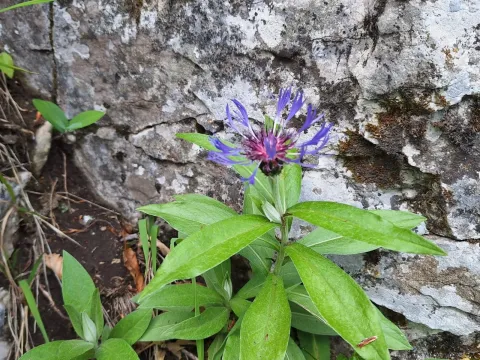
Soft cornflower
Cyanus mollis
The soft cornflower (Cyanus mollis) is a perennial herbaceous plant belonging to the Asteraceae family, valued for its hardiness and elegant foliage.
What the section contains
Soft cornflower
Seeds are typically sown in late autumn to benefit from natural stratification, which enhances germination rates compared to immediate spring sowing.
When sowing in spring, it is highly recommended to pre-chill the seeds for several weeks to simulate winter conditions and ensure uniform emergence.
Seeds should be planted at a depth of 1-2 centimeters in well-prepared, loose soil, maintaining a spacing of 30-40 centimeters between individual specimens.
Vegetative propagation via division of established clumps is another common method, usually performed in early spring or autumn to ensure the plant remains vigorous and healthy.
This species thrives in sunny or semi-shaded locations with well-drained, nutrient-rich soil that provides sufficient moisture without becoming waterlogged.
It prefers a neutral to slightly alkaline soil pH and can tolerate a wide variety of soil textures, provided that aeration is sufficient for the roots.
While the soft cornflower is remarkably drought-tolerant once established, supplemental irrigation is necessary during prolonged hot, dry spells to maintain bloom quality.
Optimal growth is observed in regions with temperate climates, where the plant can withstand cold winters without requiring specialized frost protection.
For best results, incorporate organic matter or balanced slow-release fertilizers into the soil during planting to support robust growth and profuse flowering.
Primarily cultivated for ornamental purposes, the soft cornflower is an excellent choice for cottage gardens, perennial borders, and naturalistic landscape designs.
As a nectar-rich plant, it serves as a valuable resource for various pollinators, including bees and butterflies, contributing to garden biodiversity.
The stems are suitable for cut flower production, as they exhibit a good vase life and add a unique texture to various floral arrangements and bouquets.
Consistent deadheading of spent blossoms can encourage the plant to produce more flowers throughout the season, extending its decorative value significantly.
Yield and aesthetic success depend on proper spacing, as overcrowding increases competition for nutrients and limits the airflow necessary for plant health.
The main pathological concerns for Cyanus mollis include powdery mildew and fungal wilts, which are often exacerbated by poor air circulation or overwatering.
Pests such as aphids and spider mites can occasionally infest the foliage, particularly when the plant is stressed by environmental factors or heat.
Good hygiene practices, such as removing debris and preventing water from touching the foliage, are essential to minimize the risk of fungal outbreaks.
If an infection is detected, the application of horticultural soaps or appropriate systemic fungicides can effectively control the spread of these pathogens.
- Maintain good weed control to reduce competition.
- Ensure proper spacing to promote air circulation.
- Apply mulch to retain soil moisture during summer.
- Monitor for aphid colonies on young shoots and buds.
- Divide plants every few years to maintain vigor and yield.